
You have been driving for months without issue. Your logbook is clean, your rig is running well, and you feel fine. Then you remember: your DOT medical card expires next month. Suddenly, a wave of anxiety hits. What if something comes up? What if I fail?
That feeling is incredibly common. Nearly 6% of commercial drivers fail their DOT physical each year, often because of easily managed conditions like high blood pressure, untreated sleep apnea, or poor preparation.
The good news? How to pass DOT physical is not a mystery. It is a straightforward process with clear rules. Walk into your exam with confidence by following this complete guide to FMCSA requirements, common pitfalls, and a proven preparation strategy.
What Is a DOT Physical and Who Needs One?
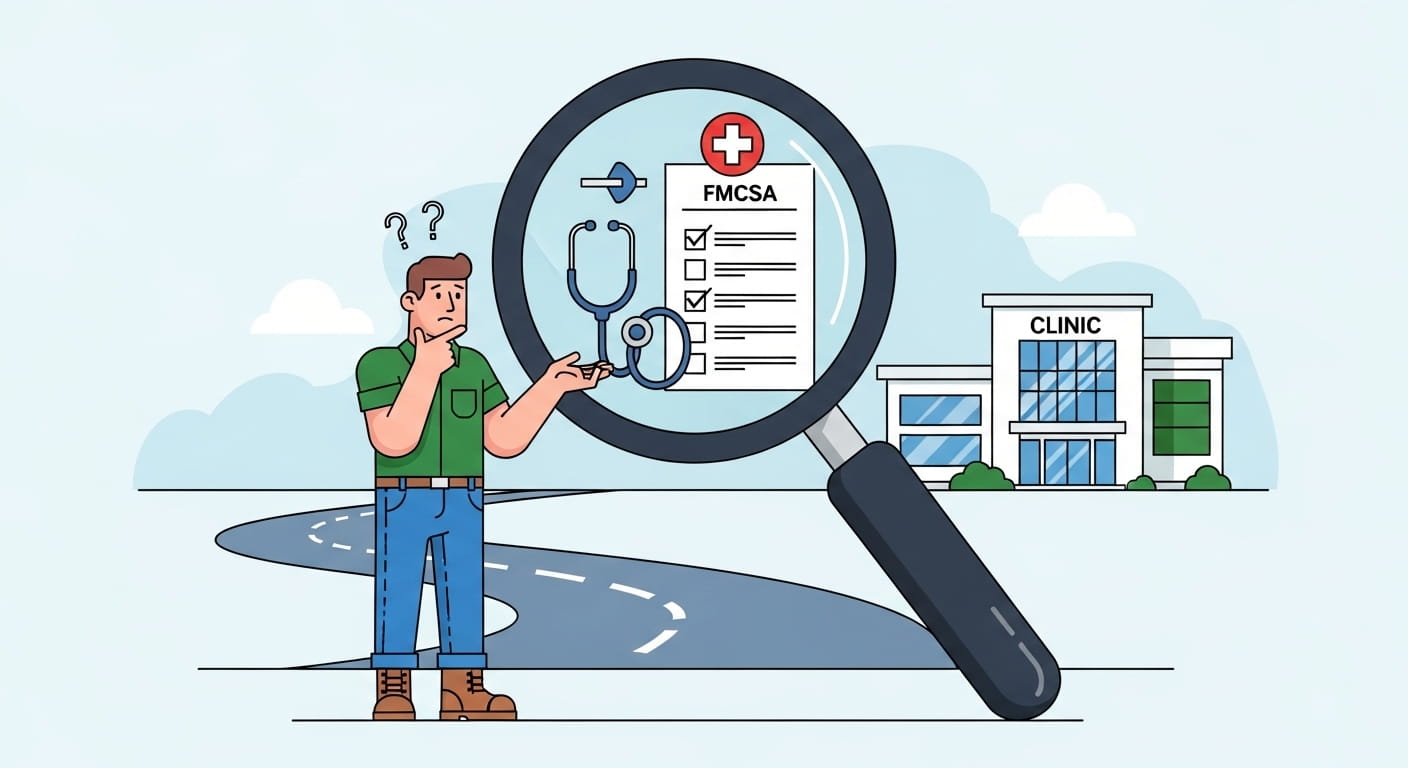
A DOT physical is a medical exam required by the Federal Motor Carrier Safety Administration (FMCSA) to ensure commercial drivers are physically, mentally, and emotionally fit to operate large vehicles safely. It is not a standard annual checkup.
The exam is designed specifically to test for conditions that could suddenly incapacitate a driver behind the wheel, like uncontrolled diabetes, severe hypertension, or untreated heart disease.
You must understand how to pass DOT physical if you fall into any of these categories:
- Drive a vehicle with a gross combined weight rating of over 10,000 pounds
- Transport hazardous materials (placarded loads)
- Operate a vehicle designed to carry more than 15 passengers (or 8 passengers for hire)
- Hold a Commercial Driver’s License (CDL) or Commercial Learner’s Permit (CLP)
The exam must be performed by a Certified Medical Examiner (CME) listed on the FMCSA National Registry. Any other provider’s exam will not count. You can find a certified examiner near you using the FMCSA’s official search tool.
What Happens During a DOT Physical Exam?
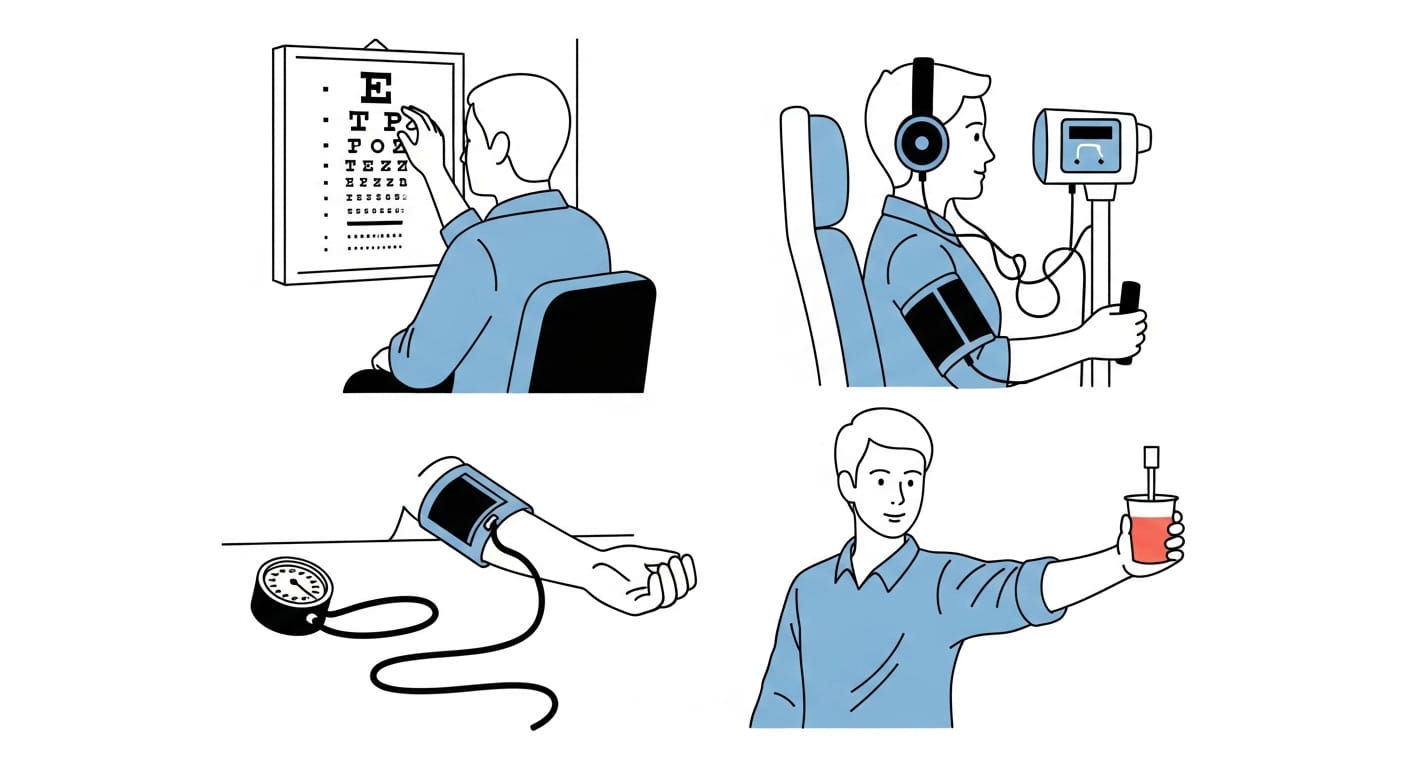
Knowing what to expect is a major part of how to pass DOT physical. The exam generally follows the same structure regardless of where you go.
A certified medical examiner will:
- Review your medical history and current medication list
- Check your vital signs (blood pressure, pulse, height, weight, BMI)
- Perform a vision test (distance acuity, peripheral vision, color recognition)
- Conduct a hearing test (forced whisper from five feet or audiometry)
- Complete a physical examination (heart, lungs, abdomen, spine, neurological function, and extremities)
- Collect a urine sample (to screen for underlying medical conditions like diabetes or kidney disease, NOT for drugs in the physical exam portion; drug testing is separate)
The examiner then decides whether to issue a medical certificate for up to 24 months (two years), a shorter period (12 months, 6 months, or 90 days), or temporarily disqualify you until a condition is under control.
The Core Requirements: Breaking Down Each Test
To truly master how to pass DOT physical, you need to understand the specific passing standards for each component.
Vision Requirements
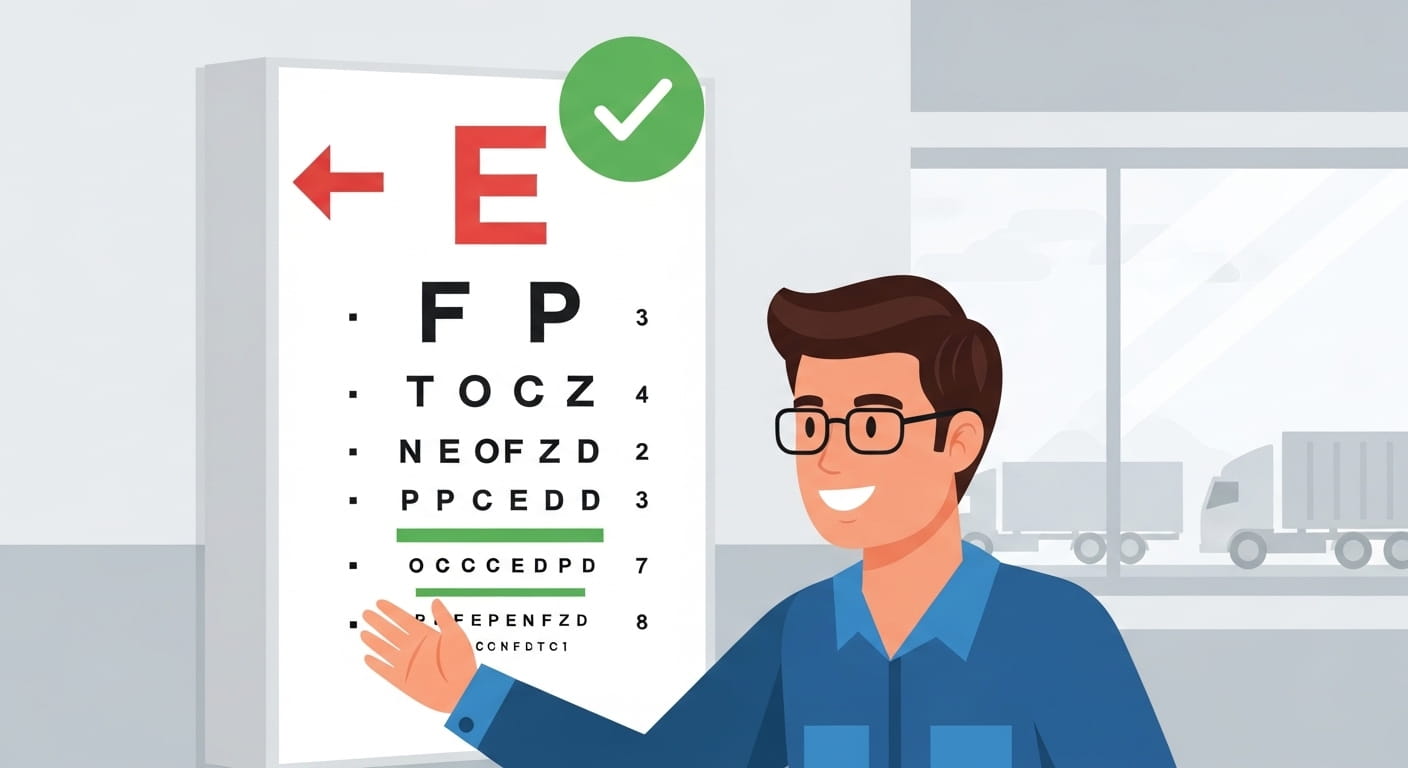
The FMCSA requires 20/40 vision or better in each eye, even with corrective lenses such as glasses or contacts. You also need:
- 70 degrees of peripheral vision in both eyes
- Ability to distinguish traffic signal colors (red, green, amber)
💡 Prep tip: If you wear glasses or contacts, bring them to the exam. Get your prescription updated beforehand if needed. If you fail the vision portion, you may qualify for a Vision Evaluation Report from an eye specialist.
Hearing Requirements
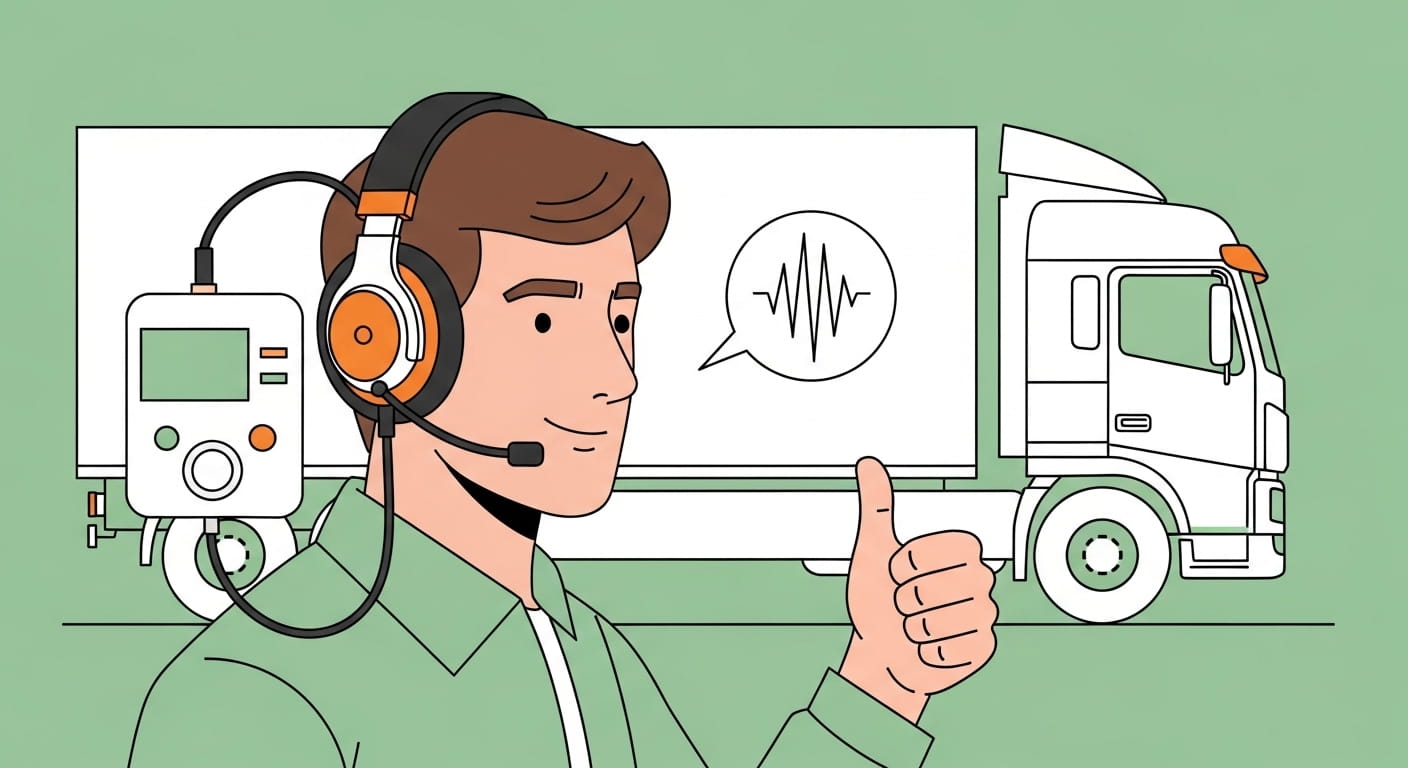
You must be able to hear a forced whisper from at least five feet away, with or without hearing aids. Alternatively, an audiometry test can be used with a pass threshold of average hearing loss less than 40 decibels.
💡 Prep tip: Clean your ears before the exam. Bring your hearing aids if you use them. Avoid loud noises the day before to prevent temporary hearing fatigue.
Blood Pressure and Cardiovascular Health
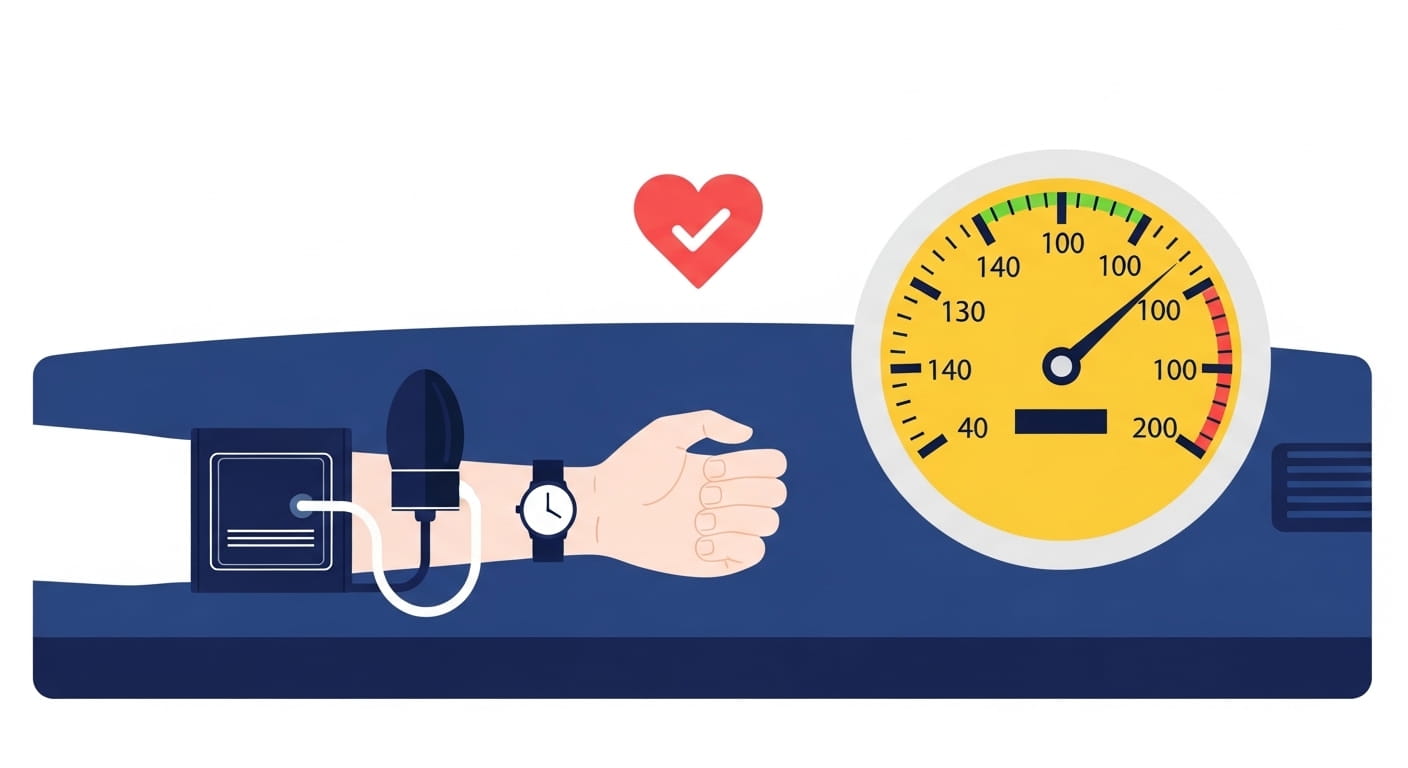
This is the number one reason drivers fail their DOT physical. About 25% of truckers struggle with hypertension, a condition that significantly increases the risk of heart attack or stroke while driving.
The FMCSA blood pressure guidelines are straightforward:
💡 Prep tip: Monitor your blood pressure for two weeks before your exam. Take your medication as prescribed. Avoid caffeine, energy drinks, and salty foods the morning of the exam. Practice deep breathing to stay calm.
Urinalysis (The DOT Physical Urine Test)
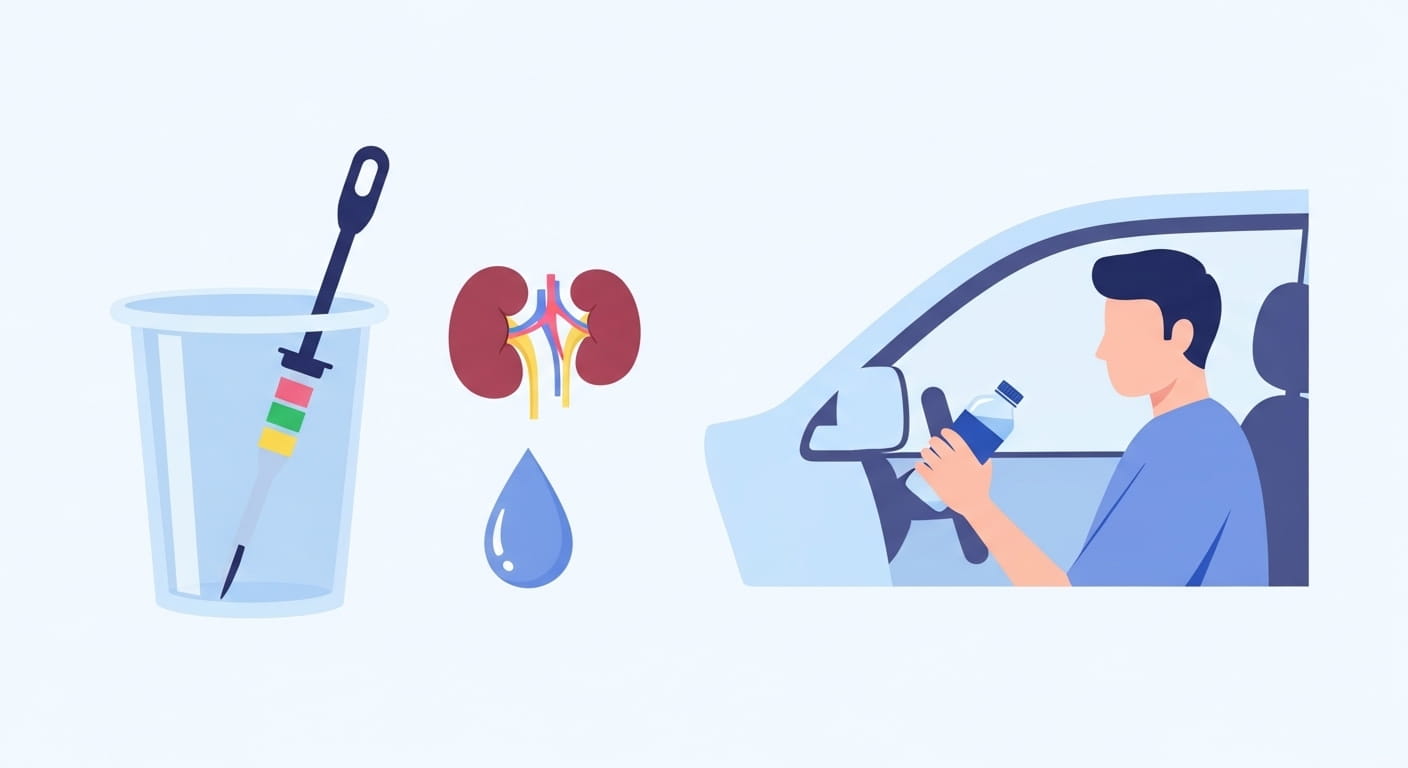
Unlike a DOT drug test, the urine sample collected during the physical exam is a dipstick test that checks for:
- Sugar (glucose) – potential sign of undiagnosed or uncontrolled diabetes
- Protein – could indicate kidney disease
- Blood – may signal infection or other underlying issues
If the dipstick shows abnormalities, the examiner may request additional testing or limit your certification period.
💡 Prep tip: Drink plenty of water the day before and the morning of your exam to ensure you can provide a sample, but avoid over-hydrating to the point of dilution.
Sleep Apnea Screening
Sleep apnea is not an automatic disqualifier, but untreated sleep apnea is. Diagnostic threshold includes a BMI of 40 or higher (or 33 or higher with additional risk factors), or a neck circumference of 17 inches or more for males and 15.5 inches or more for females(25†L27-L37).
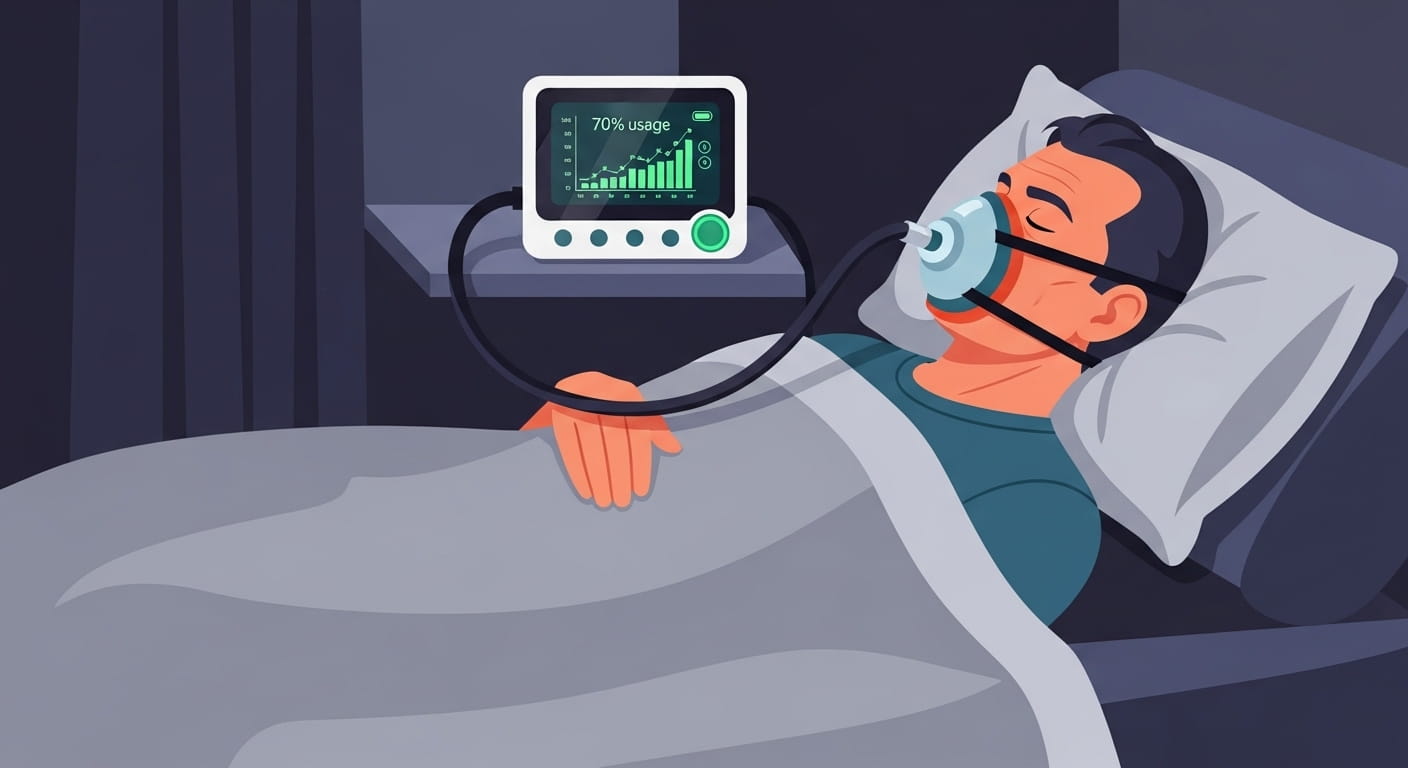
If diagnosed, you must be compliant with prescribed treatment to be certified. That typically means using a CPAP machine for at least 4 hours per night on 70% of nights. You need to bring CPAP compliance reports to your exam.
💡 Prep tip: If you snore loudly, wake up with headaches, or feel exhausted during the day, see a sleep specialist before your DOT physical. Treating sleep apnea proactively is the best way to learn how to pass DOT physical with this condition.
Chronic Conditions: Diabetes and How to Pass DOT Physical
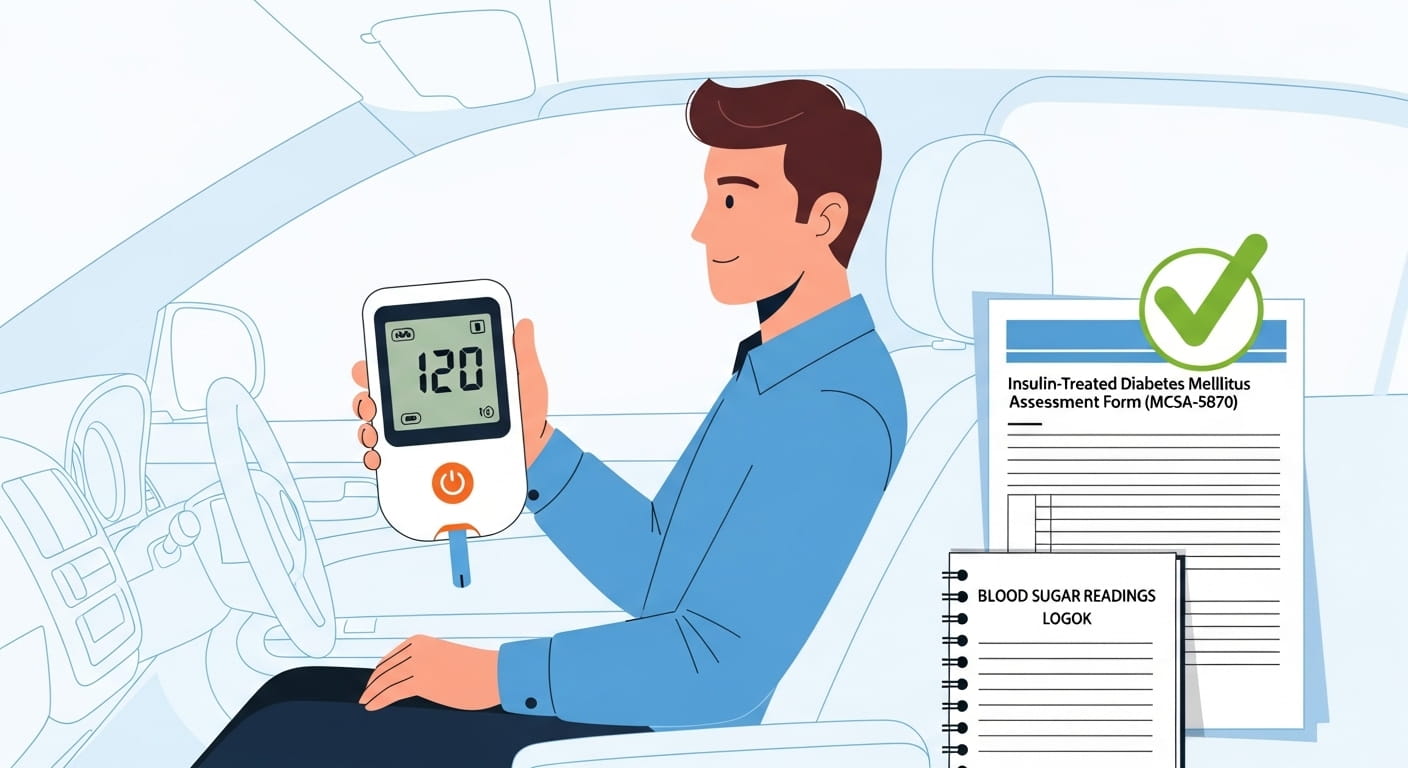
Diabetes does not automatically disqualify you from getting your CDL, even if you use insulin. However, the documentation requirements are strict.
- Non-insulin treated diabetes: You must bring recent labs (fasting blood glucose and HbA1c) to show your condition is well-controlled.
- Insulin-treated diabetes (ITDM): Your treating clinician must complete the Insulin-Treated Diabetes Mellitus Assessment Form (MCSA-5870) before your DOT physical. You must also provide at least 3 months of blood glucose monitoring data. Insulin is no longer an automatic “no,” but annual recertification is typically required.
💡 Prep tip: Keep a detailed log of your blood sugar readings, especially if you are on insulin. Bring a letter from your endocrinologist confirming your condition is stable.
What Will Make You Fail a DOT Physical?
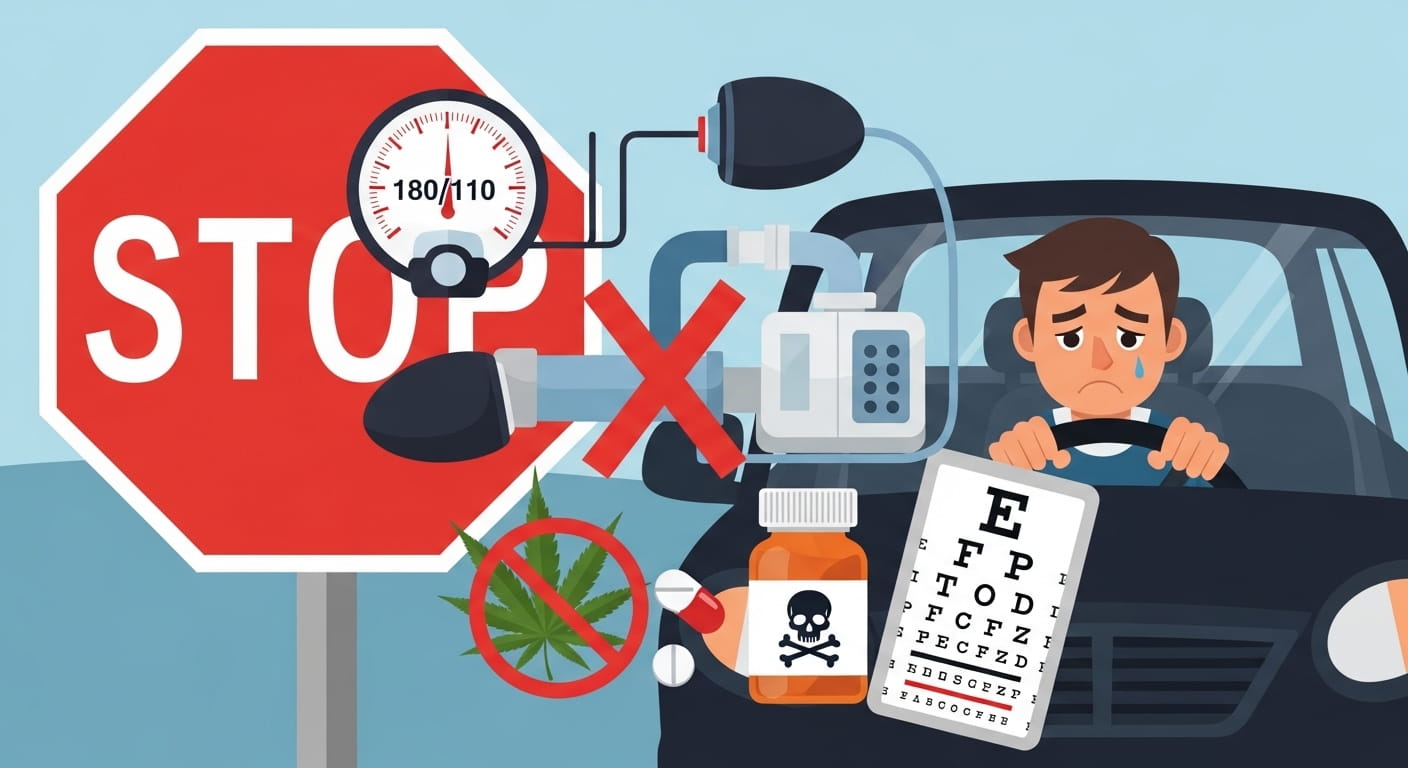
To truly learn how to pass DOT physical, you must also understand what causes failure. Common disqualifying conditions include:
- Uncontrolled high blood pressure (180/110 or higher)
- Untreated moderate to severe sleep apnea (non-compliant with CPAP)
- Insulin-dependent diabetes without proper FMCSA documentation
- Vision worse than 20/40 in either eye, uncorrectable with glasses or contacts
- Hearing loss that prevents hearing a forced whisper from five feet
- Use of Schedule I drugs, including marijuana (even in states where it is legal), cocaine, amphetamines, opiates, and PCP
- Certain medications, including Adderall, Ritalin, Ambien, and muscle relaxers, unless specifically approved by the medical examiner
- Narcolepsy (permanent disqualification regardless of treatment)
- Epilepsy or recent seizures (usually requires a seizure-free period of 5-10 years to requalify)
The 7-Step Preparation Checklist: How to Pass DOT Physical
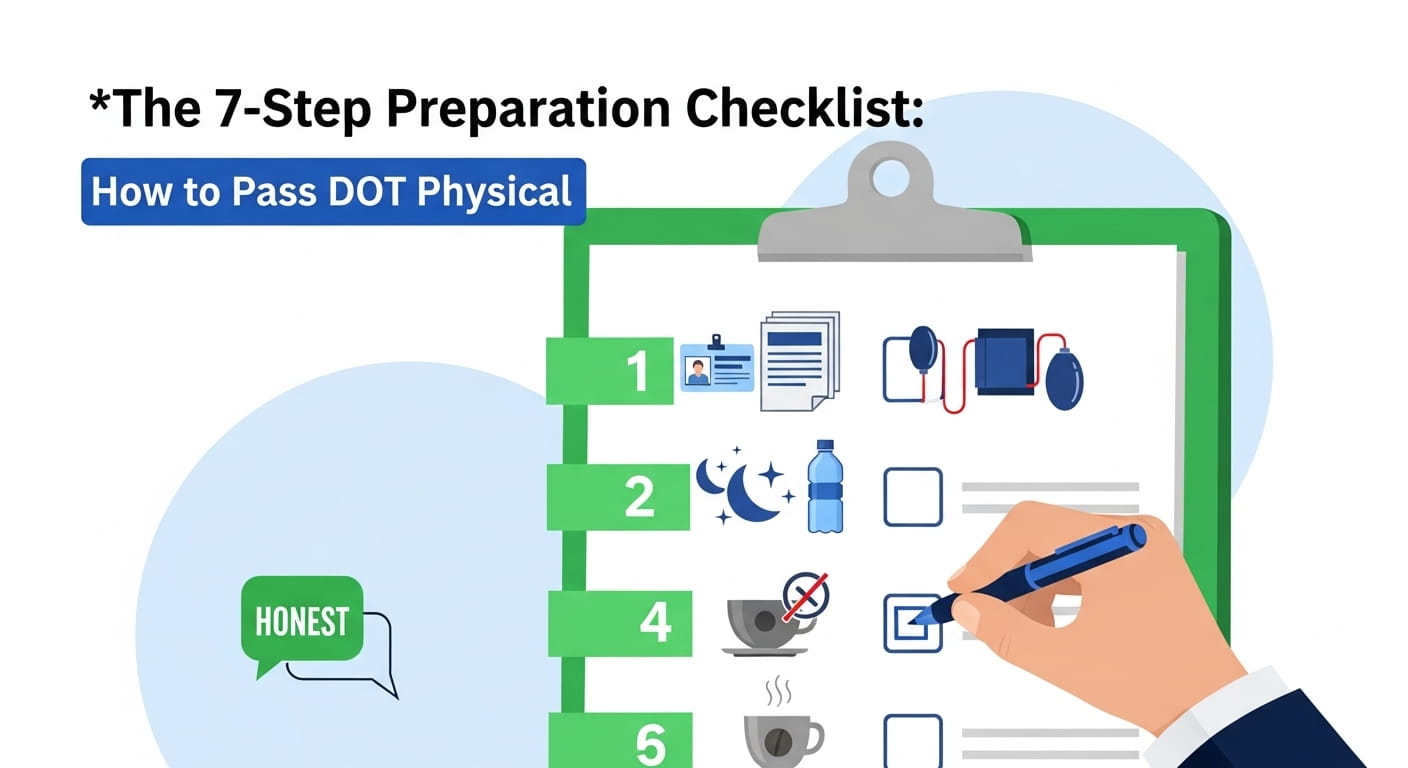
Preparation separates drivers who walk out with a 2-year card from those who receive a temporary certification or a failure notice.
✅ Step 1: Find an FMCSA-Certified Medical Examiner. Use the National Registry search tool. Do not go to a provider who is not listed their exam will not count.
✅ Step 2: Gather your documentation. Bring:
- Valid government-issued photo ID (CDL or driver‘s license)
- Complete list of all medications with dosages
- Glasses, contacts, or hearing aids (if used)
- CPAP compliance report (for sleep apnea, showing at least 70% usage at 4+ hours per night)
- Blood sugar logs and recent HbA1c results (for diabetes)
- Blood pressure logs (for hypertension)
- Letters from specialists confirming stable conditions
✅ Step 3: Manage your blood pressure for two weeks before the exam. Take medications as prescribed. Reduce salt intake. Avoid decongestants and NSAIDs like ibuprofen that can elevate blood pressure.
✅ Step 4: Get a full night’s sleep. Fatigue elevates blood pressure and impairs performance.
✅ Step 5: Hydrate properly. Drink water to ensure you can provide a urine sample, but avoid over-hydration.
✅ Step 6: Avoid certain substances before the exam. No caffeine, energy drinks, or alcohol for at least 24 hours. No heavy or salty meals the morning of the exam.
✅ Step 7: Be honest with your examiner. Hiding a condition can lead to serious consequences, including fines and CDL disqualification. Medical examiners upload all results to the FMCSA database, so “doctor shopping” is not an option.
Mini-Story: How One Driver Learned How to Pass DOT Physical the Hard Way
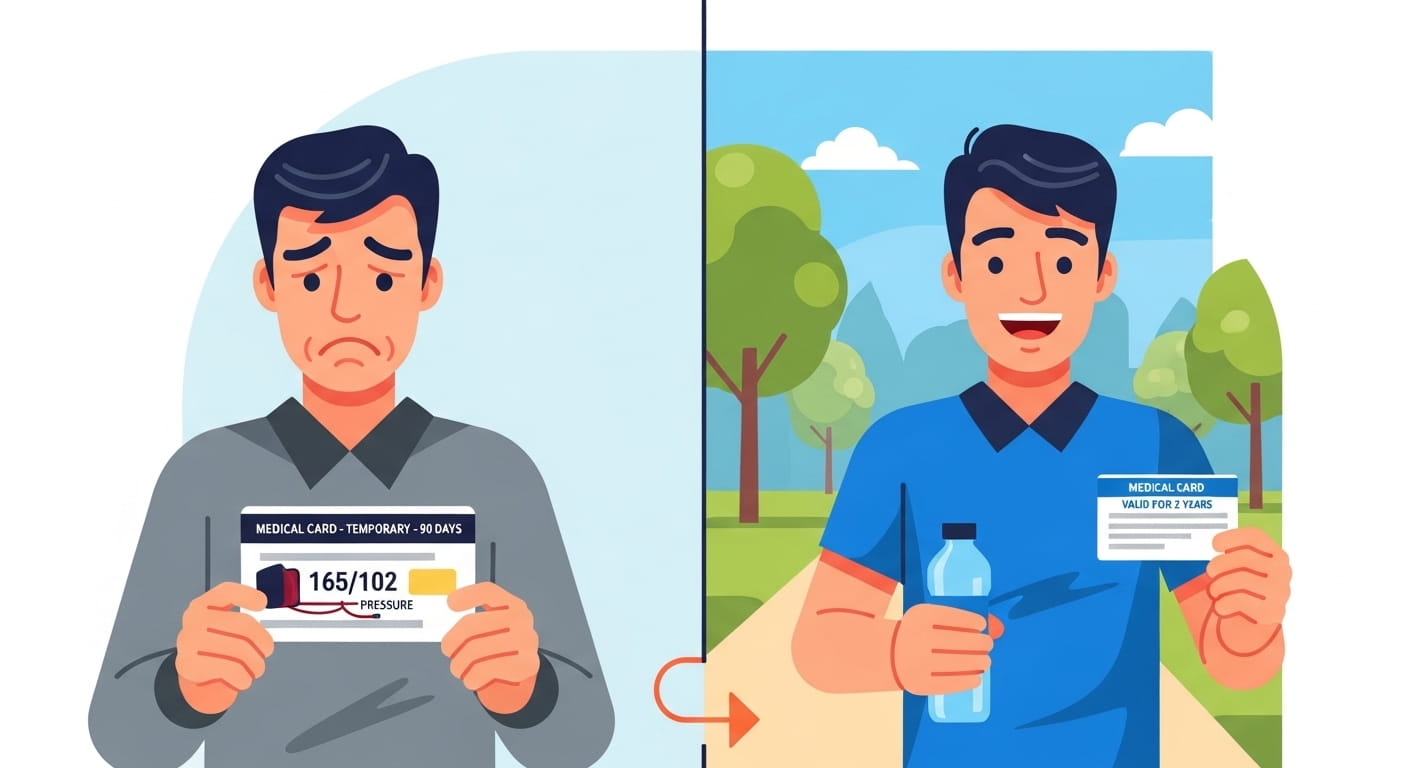
Mike, a 20-year veteran driver from Ohio, failed his DOT physical in 2024. His blood pressure was 165/102, and he had never been treated. He was given a 90-day temporary card with a strict warning.
Instead of panicking, Mike took action. He saw his primary care doctor, started a low-dose blood pressure medication, cut out energy drinks, and began walking 30 minutes daily.
Three months later, he returned to his certified medical examiner with a reading of 128/78. He walked out with a full 2-year medical card.
Mike‘s story proves a critical point: most DOT physical failures are temporary. You can usually fix the underlying issue and requalify.
How Long Is a DOT Medical Card Valid?
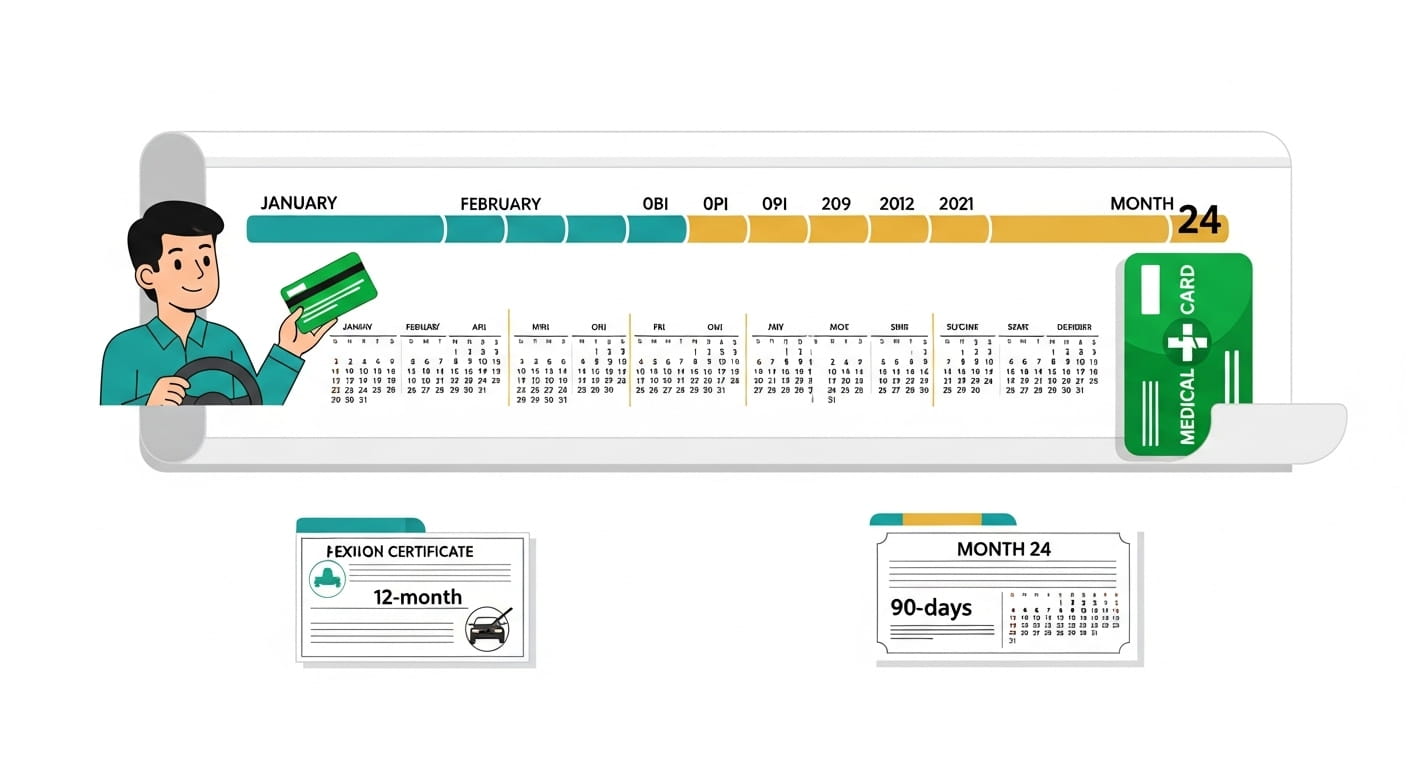
For most healthy drivers, a DOT physical is valid for up to 24 months (2 years). However, if you have certain medical conditions like high blood pressure, diabetes, or sleep apnea, your examiner may issue a:
- 12-month certificate (most common for managed chronic conditions)
- 6-month or 90-day certificate (typically for conditions requiring closer monitoring)
Do not let your card expire. If it expires, you cannot legally drive until you renew. Your CDL could even be downgraded by your state‘s DMV. To avoid this, schedule your renewal at least 30–60 days before expiration.
FMCSA 2025–2026 Updates: What You Need to Know
Several recent changes affect how to pass DOT physical:
- Electronic Medical Card Submission: As of June 23, 2025, certified medical examiners must submit your medical certificate electronically to the FMCSA. Drivers no longer submit paper copies to their state DMV, though you should still carry a hard copy in your truck.
- Updated Forms: The Medical Examination Report (MCSA-5875) and Medical Examiner‘s Certificate (MCSA-5876) have been updated. Ensure your examiner uses the current versions.
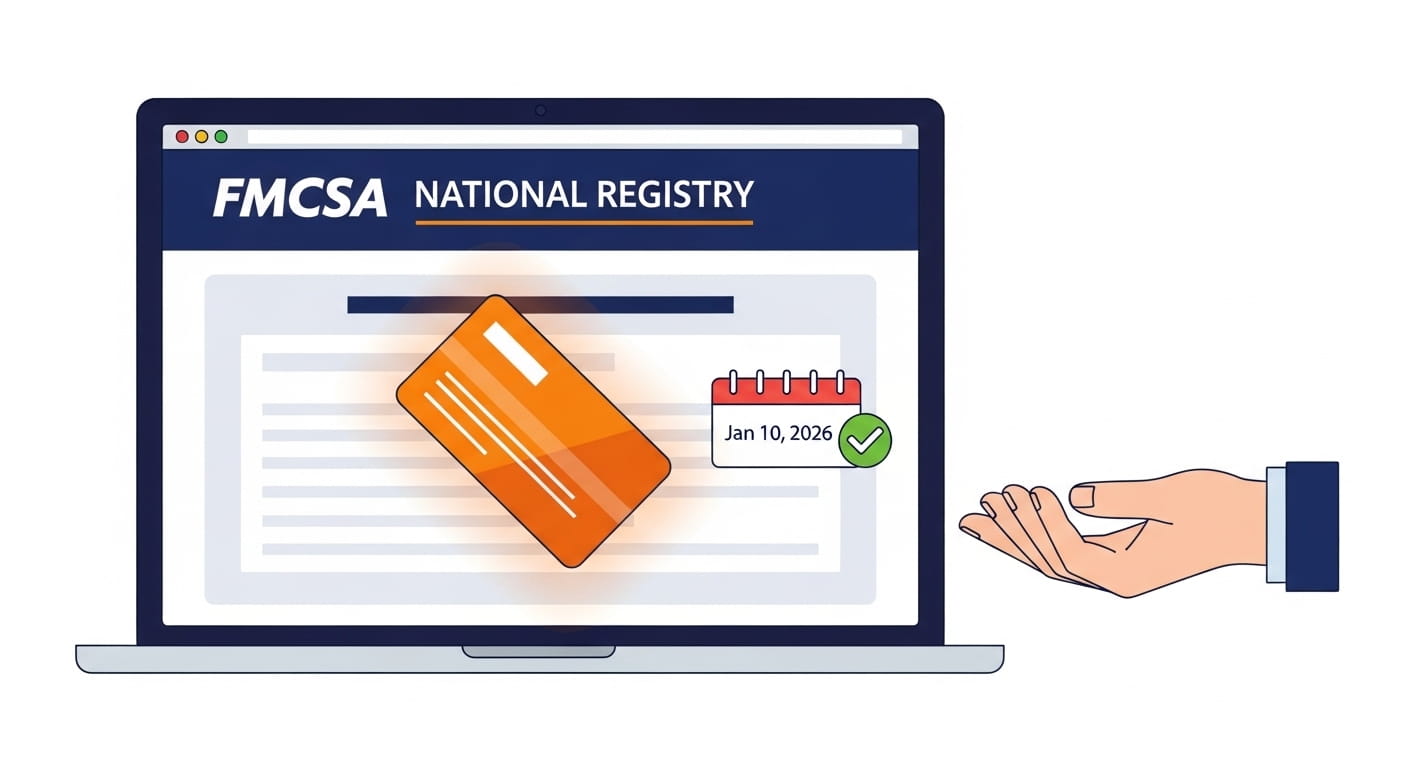
- Paper Card Waiver: A temporary waiver allows paper medical cards to be accepted through January 10, 2026, while state systems update
Ready to stop dreaming and start driving?
Fill out the form and a Remms recruiter will reach out within one business day. No spam, no pressure — just real results.
Submit Driver ProfileConclusion: Your Medical Card Is in Your Control
You now have a complete roadmap for how to pass DOT physical. The exam is not designed to end your career it exists to keep you and everyone else on the road safe. Most failures are preventable with proper preparation and consistent health management.
Start today. Check your blood pressure this week. Schedule a physical with your primary care doctor. Gather your medication list and any necessary documentation. How to pass DOT physical is not about luck. It is about showing up prepared, healthy, and honest with your certified medical examiner.
Drive safe, stay healthy, and keep that medical card current.