
If you’ve ever looked at a big rig cruising down Interstate 80 or a dump truck working on a construction site, you’ve probably wondered: What does it take to drive that?
The answer is a CDL license.
For millions of Americans, a CDL isn’t just a piece of plastic it’s a ticket to a stable, high-paying career. With the current truck driver shortage in the United States, understanding what a CDL license is could be the first step toward a life-changing job.
In this guide, we will break down everything you need to know about the Commercial Driver’s License, from the different classes to the testing process, and why the trucking industry is desperate for drivers like you.
What Is a CDL License? (The Simple Definition)
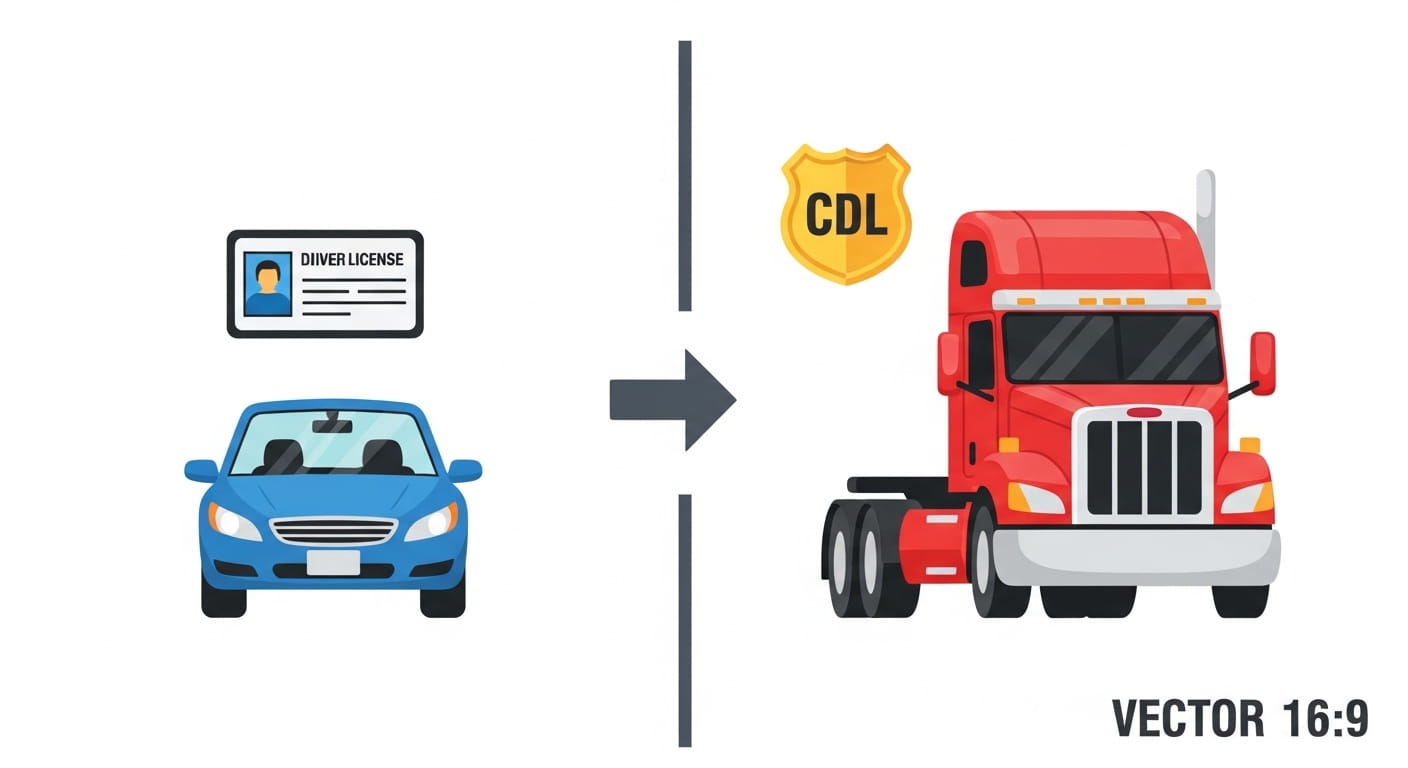
A CDL license stands for Commercial Driver’s License. It is a specialized driver’s license required by the federal government (and enforced by individual states) to operate large, heavy, or hazardous vehicles on public roads.
While your standard Class D license lets you drive a sedan or an SUV, a CDL license allows you to drive vehicles weighing over 26,000 pounds, vehicles towing heavy trailers, or buses carrying 16 or more passengers.
Think of it this way: A regular license says you know how to drive. A CDL license says you know how to operate heavy machinery safely. Because one wrong move in an 80,000-pound truck can be deadly, the government requires strict training and testing to earn this credential.
Why Do You Need a CDL License in the USA?
If you want to work in truck drivers recruitment, having a CDL is non-negotiable. Without it, trucking companies won’t even look at your application.
Here is why the commercial drivers license is so vital to the American economy:
- Legal Compliance: Driving a commercial vehicle without a CDL is a serious crime. You can face massive fines (up to $10,000) and even jail time.
- Insurance Requirements: Trucking companies cannot insure you without a valid CDL.
- Economic Power: Over 70% of all freight in the USA moves by truck. Without CDL holders, grocery stores would empty, and gas stations would run dry.
The Three Main Classes of CDL Licenses
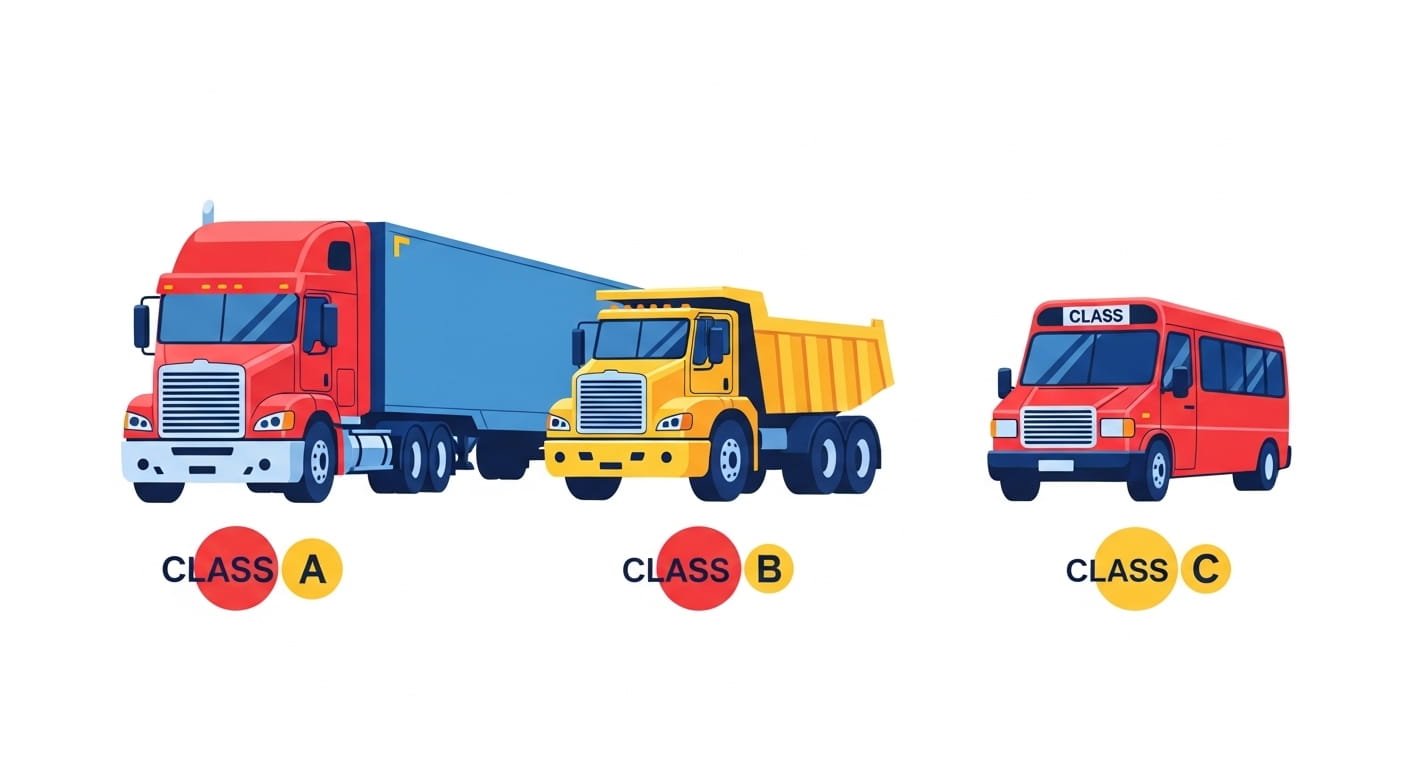
Not all CDL licenses are the same. Depending on what you want to drive, you will need one of three classes. Understanding these classes is crucial for truck drivers recruitment, as companies look for specific classes.
Class A CDL (The “Big Rig” License)
A Class A CDL allows you to operate any combination of vehicles with a Gross Combination Weight Rating (GCWR) of 26,001 pounds or more, provided the towed vehicle weighs more than 10,000 pounds.
- What you can drive: Tractor-trailers (semi-trucks), flatbeds, livestock carriers, and tankers.
- Best for: Long-haul trucking, freight transport, and the highest earning potential.
Class B CDL (The “Heavy Straight” License)
A Class B CDL allows you to operate a single vehicle weighing 26,001 pounds or more, or towing a vehicle not exceeding 10,000 pounds.
- What you can drive: Dump trucks, box trucks (moving vans), school buses, and concrete mixers.
- Best for: Local delivery, dump truck jobs, and bus driving.
Class C CDL (The “Passenger or Hazmat” License)
A Class C CDL is for vehicles designed to transport 16 or more passengers (including the driver) or hazardous materials (Hazmat), but weighing less than 26,001 pounds.
- What you can drive: Small passenger vans (church buses), HAZMAT delivery trucks, or combination vehicles not covered by Class A or B.
- Best for: HAZMAT transport, airport shuttles, and small tour buses.
The “Alphabet Soup” of Endorsements
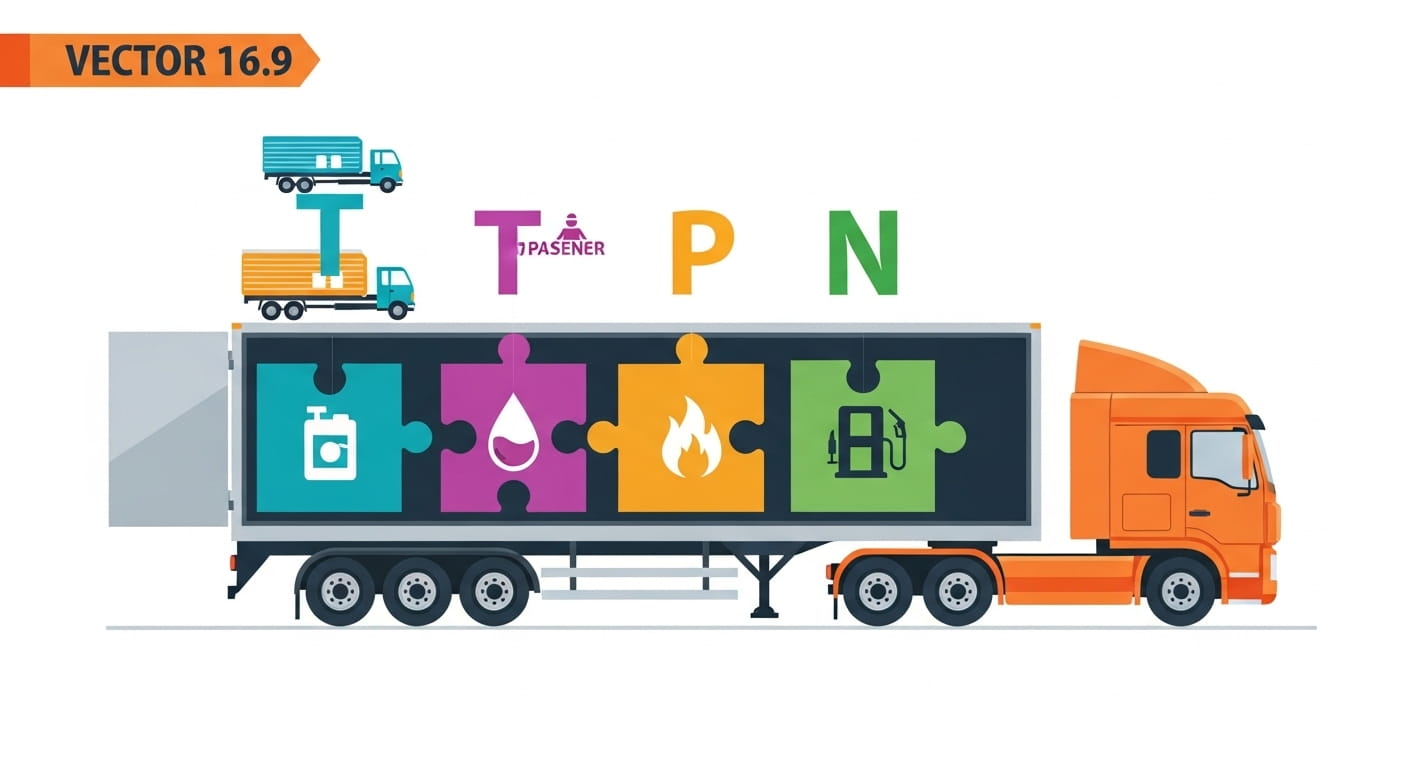
When recruiters ask if you have a CDL license, they often want to know about your endorsements. These are extra tests that allow you to haul specific cargo. Adding endorsements makes you more valuable.
- T (Double/Triple Trailers): Allows you to pull two or three trailers at once (common in the West).
- P (Passenger): Required to drive school buses or city transit.
- N (Tanker): Required for liquid or gas transport (gasoline, milk, water).
- H (Hazardous Materials – Hazmat): Requires a federal background check. Allows you to transport explosives, chemicals, or radioactive materials.
- X (Tanker/Hazmat Combo): The “golden ticket” for fuel haulers. This pays very well.
How to Get Your CDL License: A Step-by-Step Roadmap
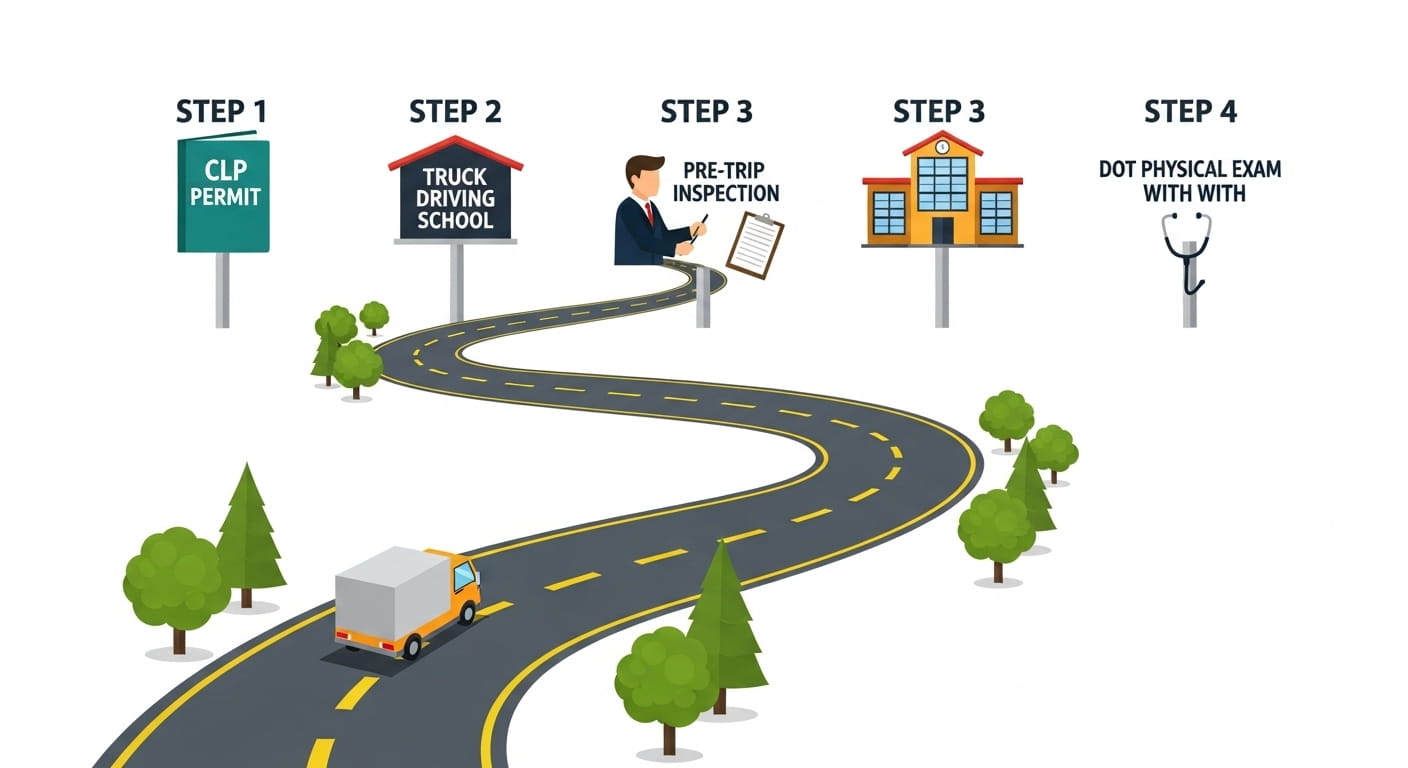
Now that you know what a CDL license is, how do you get one? The process changed in 2022 with the Entry-Level Driver Training (ELDT) rules. Here is the new, standard process for all 50 states.
Step 1: Get Your Commercial Learner’s Permit (CLP)
Before you touch a big truck, you must pass a written knowledge test at your local DMV.
- Study the state’s CDL manual.
- Pass tests on General Knowledge, Air Brakes (if applicable), and Combinations (for Class A).
- Result: You get a CLP. You must hold this for at least 14 days before the skills test.
Step 2: Enroll in an ELDT-Approved Training Program
This is the most important step for trustworthiness. You cannot just have your buddy teach you anymore. The federal government requires you to complete theory (classroom) and behind-the-wheel training from a registered provider.
Mini-Story: *Mike, a 45-year-old former warehouse worker, thought he could just study online and take the test. He failed his pre-trip inspection three times. Finally, he joined a 4-week ELDT program. The instructor showed him why you check slack adjusters. Mike passed on his first try and now makes $85k a year. Don’t skip the school.*
Step 3: Pass the CDL Skills Test
This is the “road test,” but it is much harder than the car version. It has three parts:
- Vehicle Inspection (Pre-Trip): You must walk around the truck and name every part, explaining what it does and how you know it works. (e.g., “The steering wheel has less than 10 inches of play”).
- Basic Controls: Backing up in a straight line, offset backing, and alley docking.
- Road Test: Driving on public roads with an examiner.
Step 4: Pass the Medical Exam (DOT Physical)
You cannot get a CDL license if you are unhealthy. You must pass a Department of Transportation (DOT) physical exam to prove you can handle the physical stress of driving.
- Vision: 20/40 in each eye (with or without glasses).
- Hearing: Must hear a forced whisper at 5 feet.
- Health: No uncontrolled high blood pressure or diabetes. No drug use.
Common Questions People Ask Google About CDL Licenses

To help you fully understand the topic, here are answers to the most common questions searchers ask.
Is a CDL license hard to get?
It is challenging but not impossible. The written tests require study (around 20 hours). The driving test requires practice. The hardest part for most new drivers is manual transmission (if you test in an automatic, you get a restriction) and backing maneuvers. However, with proper training, 7 out of 10 students pass on their first attempt.
How much does a CDL license cost?
The cost varies by state. The DMV fees are usually low ($50–$150). The training is the expensive part.
- Company-Sponsored: $0 (if you sign a contract to work for a mega-carrier like Swift or Schneider).
- Private School: $3,500 to $7,000 (Community colleges are often cheaper).
- Independent: $200-$500 (if you have a friend with a truck – but this is rare now due to ELDT rules).
How long does it take to get a CDL license?
If you go to a full-time “CDL mill” school, you can go from zero to licensed in 3 to 8 weeks. However, if you are going through a community college schedule, it might take 3 to 6 months.
Can I get a CDL license if I have a felony?
Yes, generally. However, certain felonies (especially drug trafficking or violent crimes) may disqualify you for a HAZMAT endorsement. Also, you cannot have had a DUI in a commercial or personal vehicle within the last 5 years (or 10 years for HAZMAT). Always be honest with the recruiter.
The Future of Truck Drivers Recruitment: Why Companies Need You Now

If you are reading this because you are curious about the industry, here is the “insider” secret: Trucking companies are desperate.
The average age of a truck driver in the USA is 48 years old. Thousands retire every year, and new drivers aren’t coming in fast enough. Because of this, truck drivers recruitment has changed dramatically.
Companies are no longer just looking for “10 years experience.” They are hiring graduates straight out of CDL school.
- Sign-on bonuses: Many companies offer $5,000 to $10,000 just for signing a contract with a new CDL license.
- Tuition reimbursement: Many employers will pay back your $6,000 school fees within your first year of work.
- Home time: To attract drivers, companies now offer “home weekly” or “home daily” routes, which was rare 10 years ago.
The Hidden Rules: Medical Cards and Clearinghouse
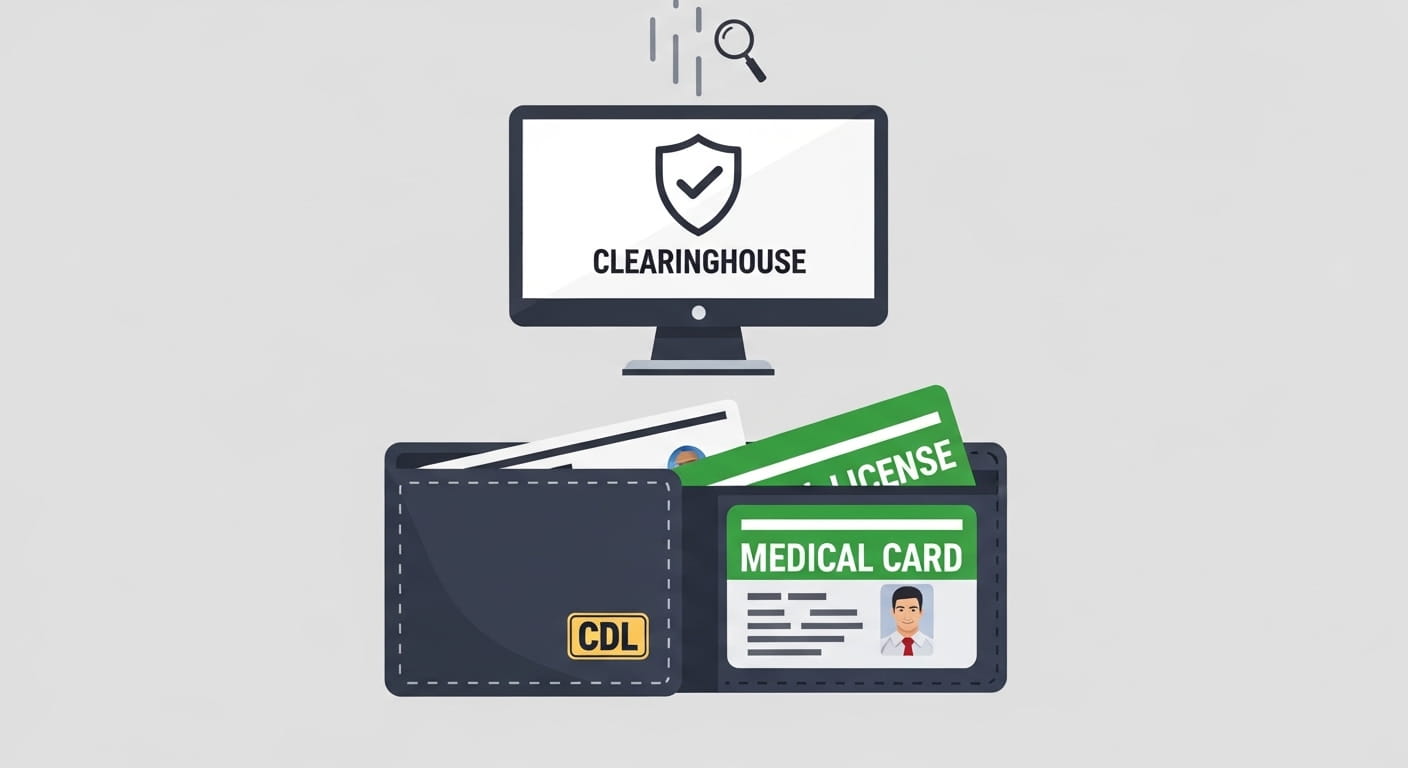
Having a CDL license comes with responsibilities. You cannot just “set it and forget it.”
- The Medical Card: You must carry a current DOT medical card. If your card expires, your CDL is downgraded to a regular license automatically. You must renew the physical every 24 months (or 12 if you have high blood pressure).
- The Drug & Alcohol Clearinghouse: As of 2020, employers must check this federal database. If you fail a drug test for any employer, you are banned from driving any commercial vehicle until you complete the “Return to Duty” process. It is a zero-tolerance industry.
Is a CDL Worth It in 2025?
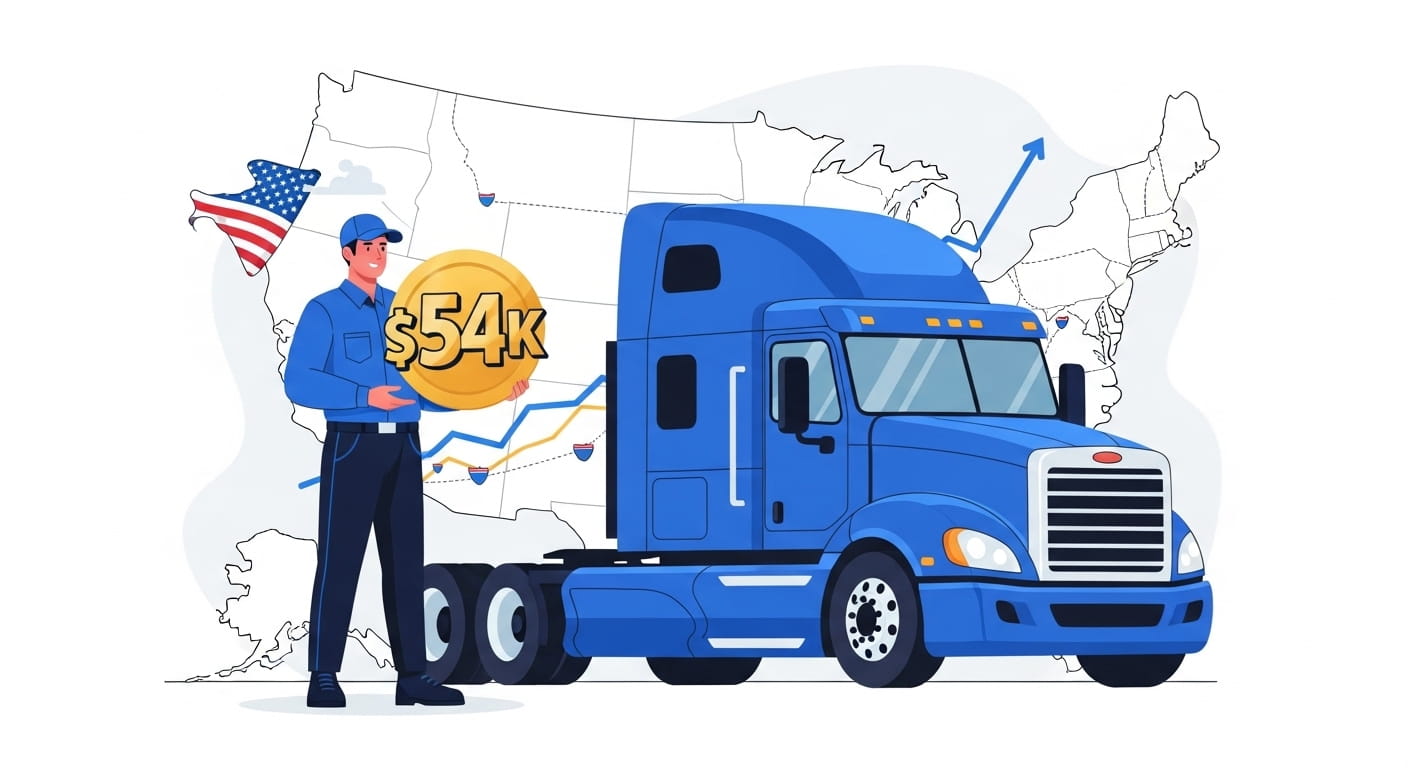
Let’s be realistic. The lifestyle isn’t for everyone. You will sit for long hours, you might miss birthdays, and you have to deal with traffic.
However, financially, a CDL license is a rocket ship for the middle class.
- Starting pay: $45,000 – $65,000 (Year 1).
- Experienced pay (2-5 years): $75,000 – $95,000.
- Specialized (Hazmat, Oversized): $100,000+.
Compared to a four-year college degree (which costs $100k+ and takes 4 years), a CDL costs $5k and takes 4 weeks. It is one of the fastest ways to escape a minimum wage job.
Ready to stop dreaming and start driving?
Fill out the form and a Remms recruiter will reach out within one business day. No spam, no pressure — just real results.
Submit Driver ProfileFrequently Asked Questions:
Can I drive a box truck for Amazon without a CDL license?
What is the difference between a CDL and a CLP?
If I get a CDL in Florida, can I drive in New York?
Do I need to speak perfect English to get a CDL?
How long does a CDL license stay active?
Conclusion: Your Road Starts Here
Understanding what a CDL license is is the easy part. It is a commercial driver’s license that unlocks the door to the American trucking industry.
The harder part—and the more rewarding part—is deciding to take the leap. With thousands of jobs available, competitive salaries, and the freedom of the open road, a CDL is more than a license. It is a career move.
If you are ready to talk to recruiters, make sure your record is clean, your health is good, and your mind is ready to learn. The trucking industry is waiting for you.
Call to Action: Have more questions about getting your CDL? Drop a comment below or contact a local accredited CDL school today to see their start dates. Your first load is waiting.