
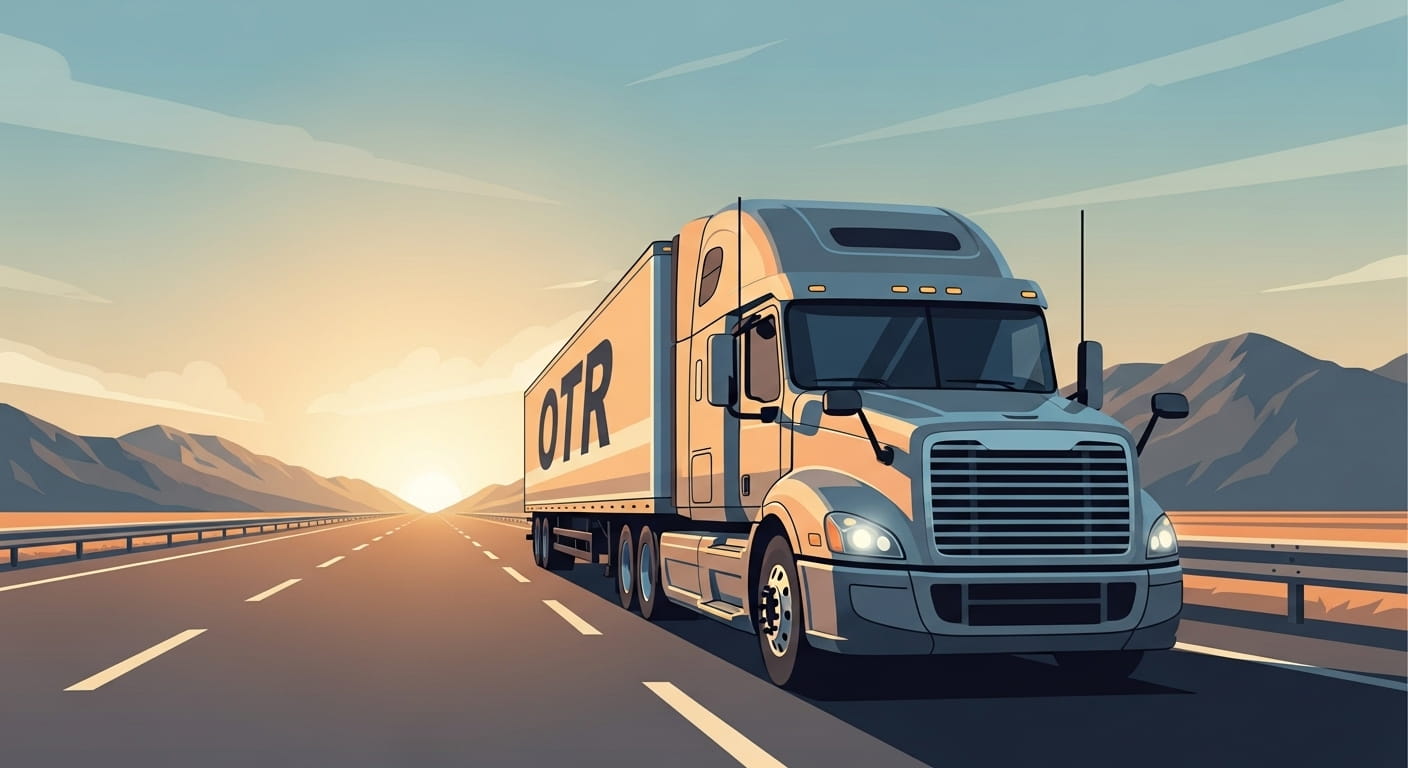
Chapter 1: What Is OTR Trucking?
Let’s start with the basics.
The Simple Definition
In trucking, OTR stands for Over-The-Road. It’s another way of saying long-haul trucking.
An OTR driver hauls freight over long distances, often crossing multiple states. These trips can cover hundreds or even thousands of miles. Because of these distances, OTR drivers are typically away from home for days or weeks at a time.
OTR vs. Local vs. Regional Trucking
This is the most common point of confusion, so let’s clear it up.
- OTR (Over-the-Road) : Drivers run coast-to-coast or across multiple states. They are usually out 3–4 weeks at a time before coming home. The truck is their home base, with a sleeper berth where they sleep and eat.
- Regional Trucking: Drivers stick to a specific part of the country, like the Midwest or the Southeast. They’re typically out for 1–2 weeks at a time and usually get home every weekend.
- Local Trucking: Drivers operate within a specific city or metro area. These drivers return home daily and often have more predictable schedules.
Quick Comparison Chart: OTR vs. Local
The Freight They Haul
What’s in all those trailers? Everything. OTR drivers move the majority of America’s freight. You’ll often see OTR trucks hauling:
- Consumer goods (clothing, electronics, furniture)
- Building materials and construction supplies
- Refrigerated products (produce, dairy, meat)
- Machinery and industrial equipment
- Hazardous materials (with specialized training and endorsements)
💰 Chapter 2: How Much Do OTR Drivers Make? (Pay & Salary)
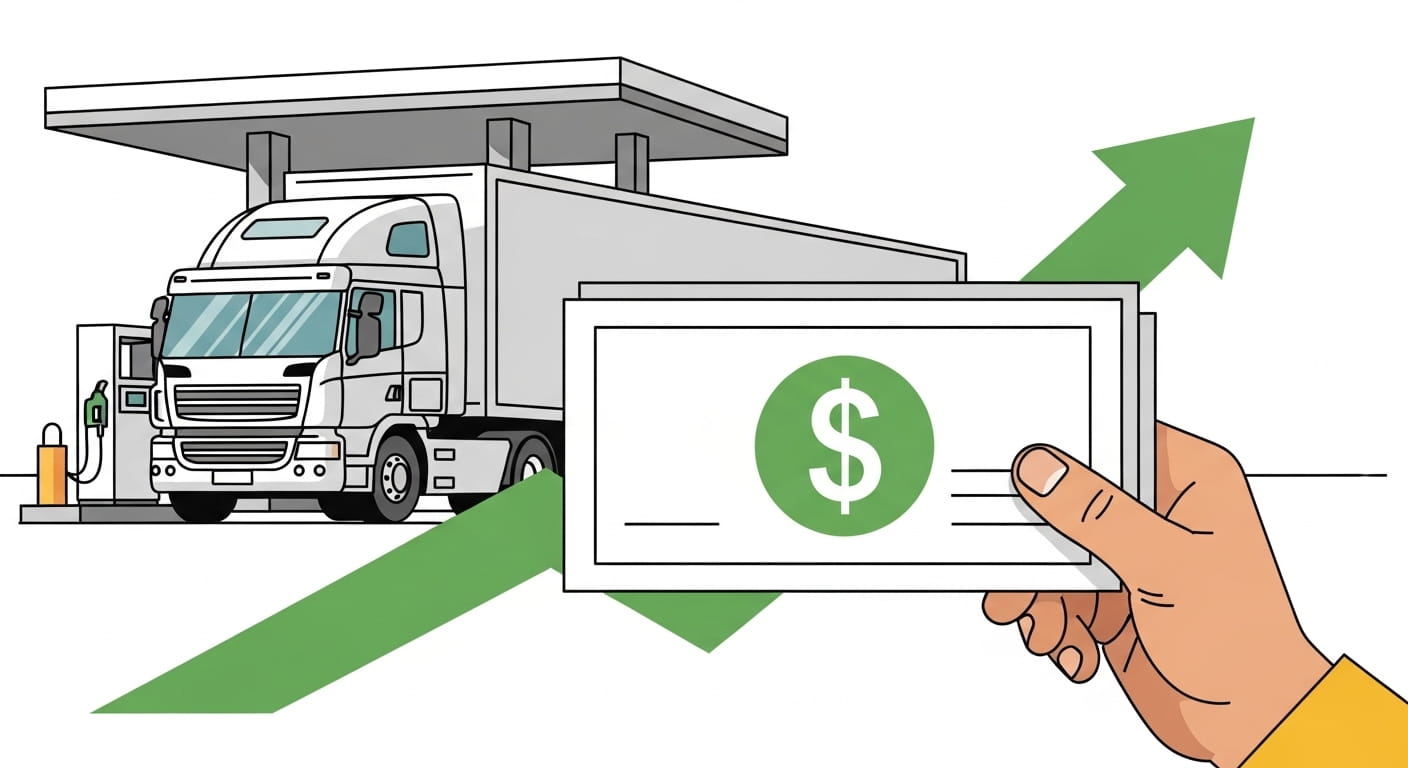
One of the biggest draws of OTR trucking is the earning potential.
Average OTR Salary in 2025
According to PayScale, the average salary for an OTR truck driver in 2025 is $71,981 per year. However, earnings vary based on experience, company, and the type of freight you haul.
Here’s a realistic breakdown based on real-world data:
| Pay Type | Average Range | Notes |
|---|---|---|
| Annual Salary (Company Driver) | $55,000 – $85,000+ | This is the typical range for experienced drivers. |
| Weekly Pay (Company Driver) | $1,400 – $1,800+ | Many OTR jobs pay by the mile, so weekly pay depends on miles run. |
| Per-Mile Pay (CPM) | $0.50 – $0.85+ per mile | Experienced drivers on specialized lanes earn higher CPM. |
| Team Driving (Per Driver) | $75,000 – $93,000+ per year | Teams share the truck and keep it moving 24/7, doubling earning potential. |
| Owner-Operator (Gross) | $90,000 – $109,000+ | Owner-operators run their own business, with higher revenue but also more expenses. |
Pay Per Mile (CPM)
Most OTR company drivers are paid Cents Per Mile (CPM). You’re compensated for every loaded and often empty mile you drive. Rates can range from $0.45 to $0.70 per mile to start, with experienced drivers earning $0.70 or more. The more miles you drive, the more you earn.
Bonuses & Incentives
Beyond base pay, OTR drivers often qualify for:
- Sign-on bonuses (sometimes $5,000–$10,000 for experienced drivers)
- Safety bonuses for accident-free driving
- Fuel efficiency bonuses for smart driving habits
- Referral bonuses for bringing in new drivers
- Detention pay (extra money when you’re forced to wait at a shipper)
- Tuition reimbursement for drivers who attended trucking school
💡 Pro tip: When comparing OTR jobs, don’t just look at CPM. Ask about weekly miles, home time policy, and bonus opportunities. A company paying $0.50 per mile but only running 1,500 miles per week may pay less overall than a company paying $0.45 per mile but running 2,500 miles per week.
🚛 Chapter 3: Life as an OTR Driver (Lifestyle & Day-to-Day)
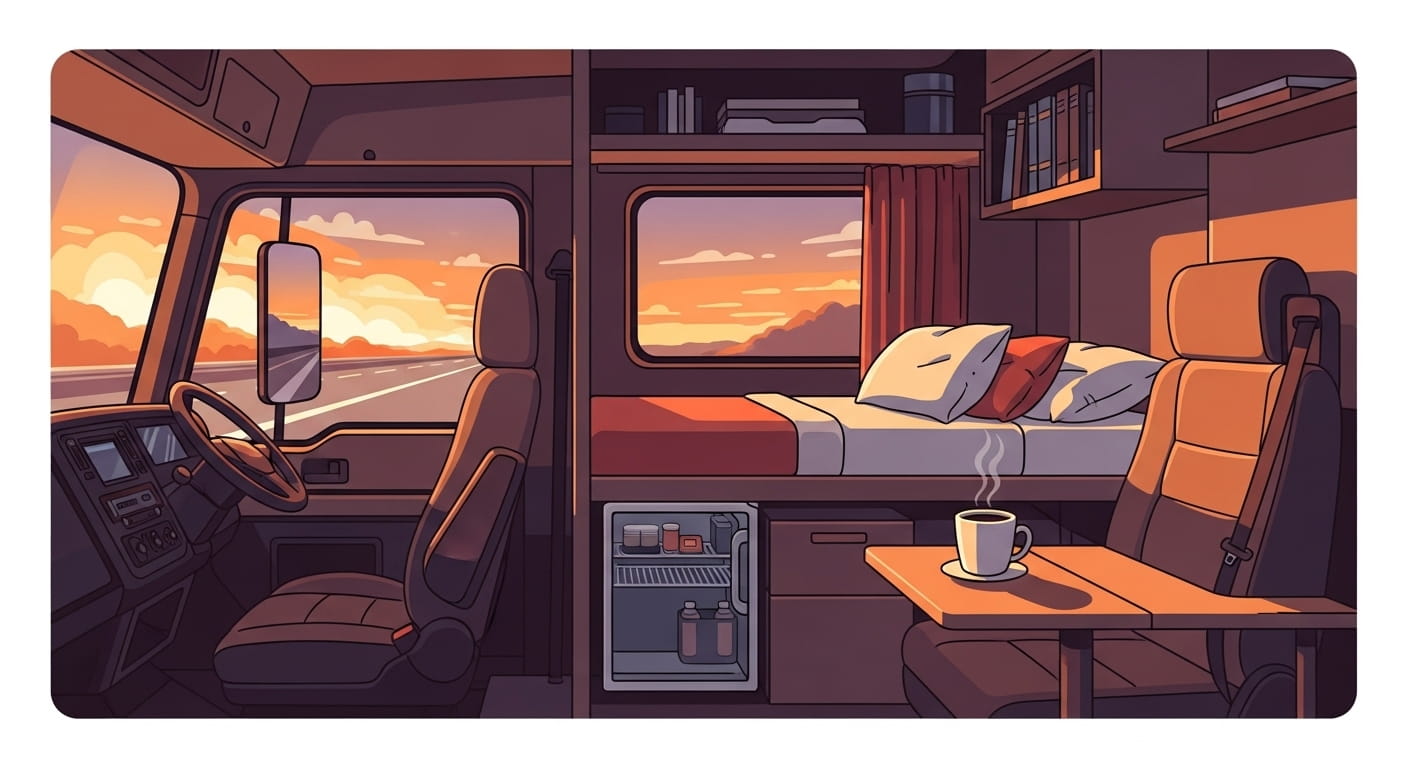
OTR trucking is more than a job—it’s a lifestyle. Understanding what daily life looks like is essential before you commit.
A Typical Day on the Road
A typical OTR driver’s day involves:
- Pre-trip inspection: Check tires, lights, brakes, and fluids (legally required).
- Plan the route: Use GPS and weather reports to optimize for time and safety.
- Drive: Log up to 11 hours of driving within a 14-hour on-duty window.
- Take breaks: Required 30-minute break after 8 hours of driving.
- Unload/Deliver: At the destination, you’ll often wait while dock workers handle the freight (called “no-touch freight”)
- Post-trip inspection: Document any issues.
- Rest: Mandatory 10-hour off-duty break before driving again.
Sleep and Living in the Truck
Your truck becomes your home on the road. Most OTR trucks have a sleeper cab with:
- A twin-sized bed (or two bunks for team drivers)
- Storage space and a small desk
- A built-in refrigerator and space for a microwave
- Power outlets and sometimes an inverter to run small appliances
- An APU (Auxiliary Power Unit) to heat/cool the cab without idling the engine
The Pros of OTR Trucking
The Cons of OTR Trucking
“I’ve been OTR three weeks straight—ready for some home time!” is something you’ll hear often from long-haul drivers. It captures both the pride and the challenge of the job.
🛣️ Chapter 4: How OTR Trucking Works (Rules & Operations)
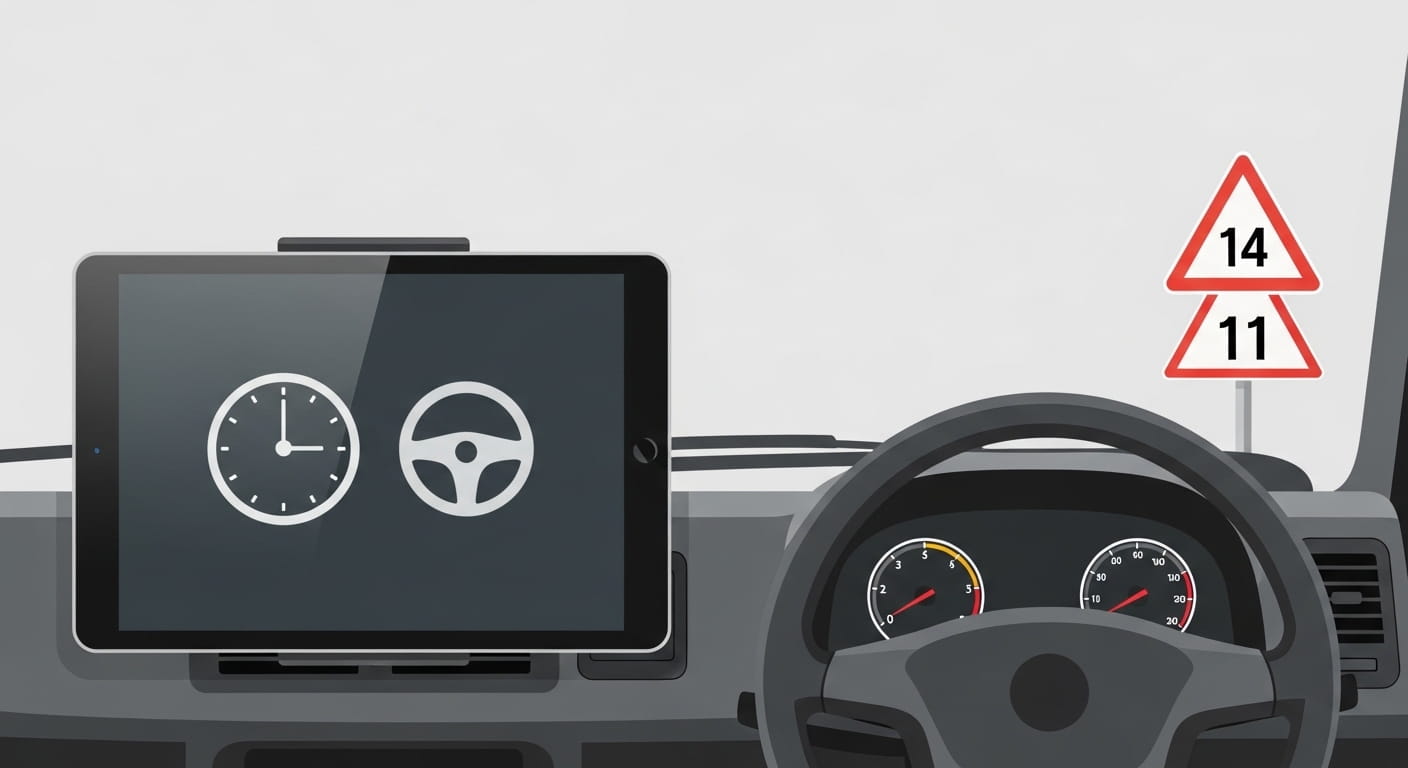
OTR trucking is heavily regulated to keep everyone safe.
Hours of Service (HOS) Rules
The Federal Motor Carrier Safety Administration (FMCSA) sets strict limits on driving hours. These are non-negotiable, and Electronic Logging Devices (ELDs) track your time automatically.
| Rule | What It Means |
|---|---|
| 14-Hour On-Duty Limit | Once you start your day, you have 14 hours to complete all driving and work. |
| 11-Hour Driving Limit | Within those 14 hours, you can drive a maximum of 11 hours. |
| 30-Minute Break | After 8 hours of driving, you must take a 30-minute break (off-duty or in sleeper). |
| 10-Hour Off-Duty | After finishing your day, you must take 10 consecutive hours off before driving again. |
| 70 Hours / 8 Days | You cannot drive more than 70 hours in any 8-day period. |
Team Driving
Many OTR carriers run team operations—two drivers sharing one truck. One driver sleeps in the back while the other drives, allowing the truck to keep moving 24/7. Team drivers typically earn more because they cover more miles, but they share the cab and must be compatible.
Required Paperwork
OTR drivers must manage:
- Driver log books (now electronic via ELD)
- Vehicle inspection reports
- Fuel trip reports
- IFTA fuel stickers and tax filings
- Insurance cards and permits
✅ Chapter 5: Requirements to Become an OTR Driver
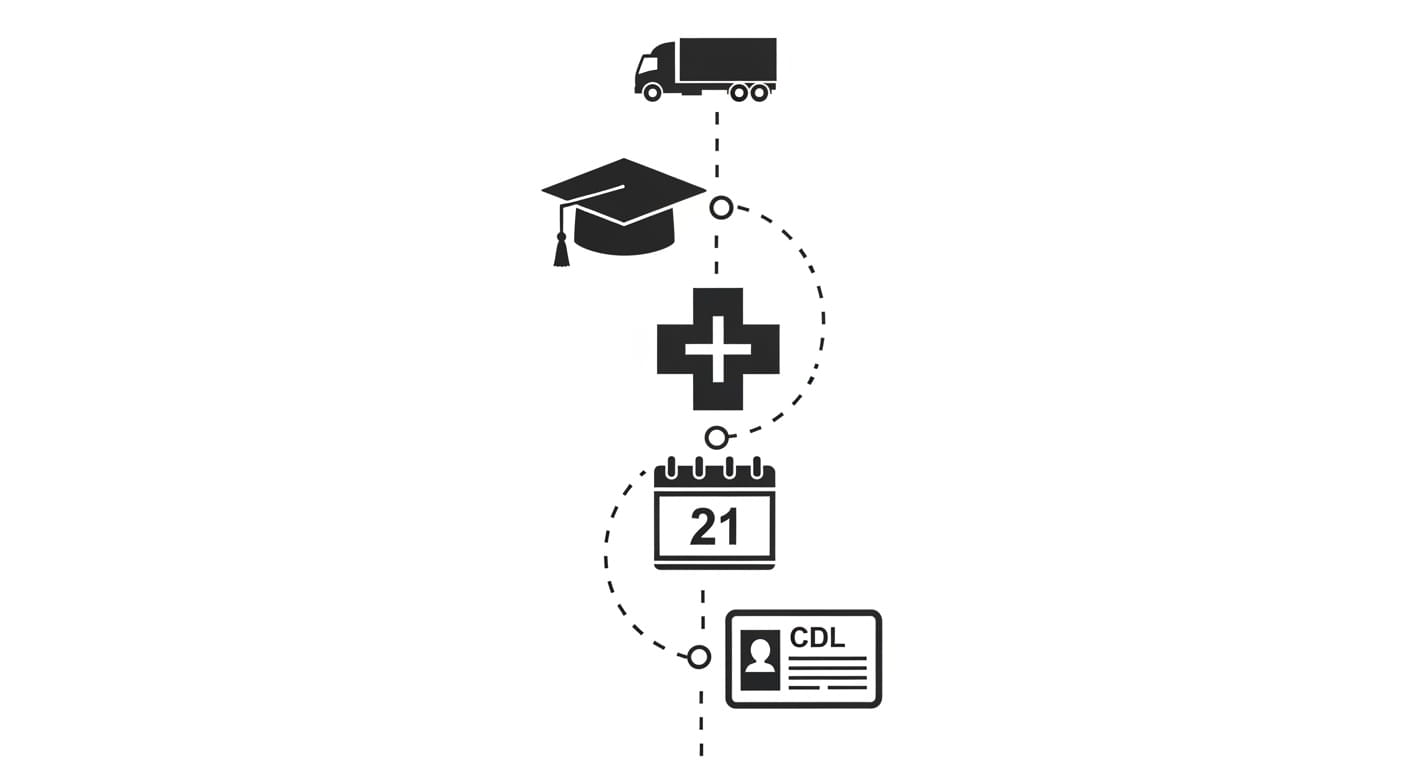
Basic Requirements
Before you can hit the road, you need to meet these baseline qualifications:
Experience
Many OTR carriers require 6–24 months of verifiable CDL driving experience before they’ll hire you for OTR. However, some large carriers offer paid CDL training for brand-new drivers, followed by an OTR position. This is a common way to get your start.
Optional Endorsements (That Boost Your Pay)
These are not required for basic OTR, but they make you more valuable:
🎯 Chapter 6: The OTR Trucking Job Market in 2025–2026
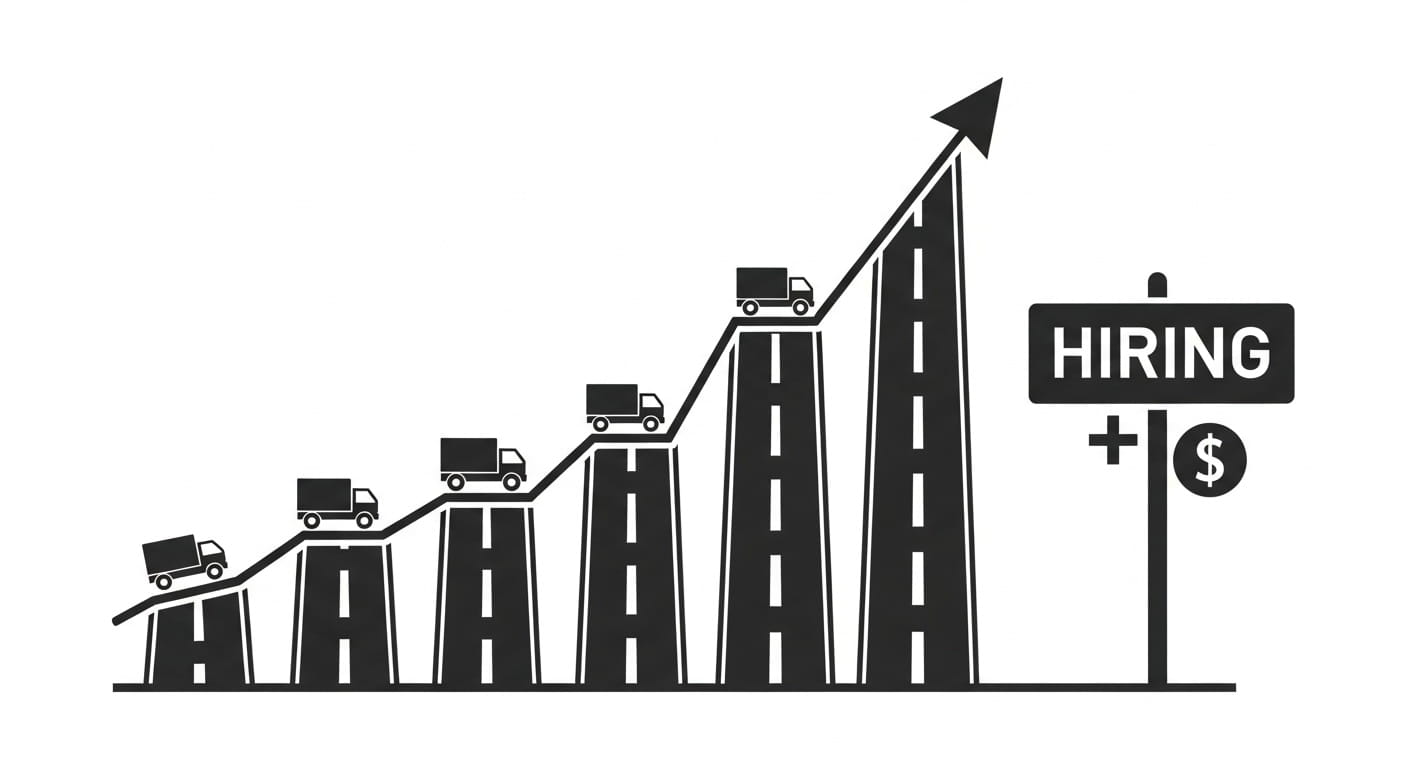
Driver Shortage = Opportunity
The American Trucking Associations (ATA) projects a shortage of over 80,000 truck drivers in 2025. The shortage is most acute in OTR and long-haul segments, where lifestyle demands make recruitment especially challenging.
Why the shortage?
- Aging workforce: Many drivers are retiring, and not enough younger drivers are entering the field.
- Lifestyle preferences: 41% of drivers now say they prefer local jobs over OTR.
- Training barriers: CDL school costs ($3,000–$10,000) can be a hurdle for new entrants.
- Turnover: Many new drivers don’t make it through their first six months.
What This Means for You
For job seekers, the shortage means:
- More signing bonuses and incentives
- Higher starting pay than in previous years
- More flexibility in negotiating home time
- Job security even during economic uncertainty
For carriers recruiting OTR drivers, this is a candidate’s market.
💡 Chapter 7: Tips for Succeeding as an OTR Driver

- Plan your meals: Invest in a small cooler or fridge for healthy food. Truck stop food is expensive and unhealthy.
- Stay active: Take walking breaks during your 30-minute rest. Stretch in the cab. Your body will thank you.
- Build a routine: Even though schedules vary, create consistent habits for sleep, meals, and communication with family.
- Stay connected: Use phone calls, video chats, and messaging apps to maintain relationships with loved ones.
- Know your truck: Basic mechanical knowledge (checking fluids, changing bulbs, tire pressure) can save you hours of downtime.
- Communicate with dispatch: Build a positive relationship with your dispatcher. Drivers who communicate clearly get better loads and fewer headaches.
- Keep your cab clean: A messy cab leads to a messy mind. Small effort, big payoff.
✅ Conclusion: Is OTR Trucking Right for You?
OTR trucking is a demanding but rewarding career. It offers:
- Higher pay than local or regional driving
- Job security in a market facing a major driver shortage
- Freedom and independence on the open road
- A chance to see the country while earning a living
But it also requires sacrifice. You’ll be away from family for weeks at a time. You’ll live in your truck. You’ll navigate unpredictable weather, traffic, and schedules.
Choose OTR if: You value income and adventure over daily home time, you’re comfortable with solitude, and you want to gain experience fast.
Choose local/regional if: You need to be home daily or weekly, you prefer predictable schedules, and you’re okay with potentially lower pay.
The beautiful thing about trucking is that you can start OTR, build experience, and later transition to a regional or local role. Many drivers follow exactly this path.
Ready to hit the road? Your first step is getting your Class A CDL. Check out CDL training programs in your area or explore company-sponsored training options. The open road is waiting.
What does OTR stand for in trucking?
Is OTR trucking worth it for new drivers?
How many miles do OTR drivers drive per week?
Do OTR drivers pay for their own gas?
What’s the fastest way to become an OTR driver?
What is the difference between OTR and long-haul trucking?
Can I start OTR driving with no experience?
How often do OTR drivers get home?
Do I need a CDL for a 26-foot box truck?
Ready to stop dreaming and start driving?
Fill out the form and a Remms recruiter will reach out within one business day. No spam, no pressure — just real results.
Submit Driver Profile