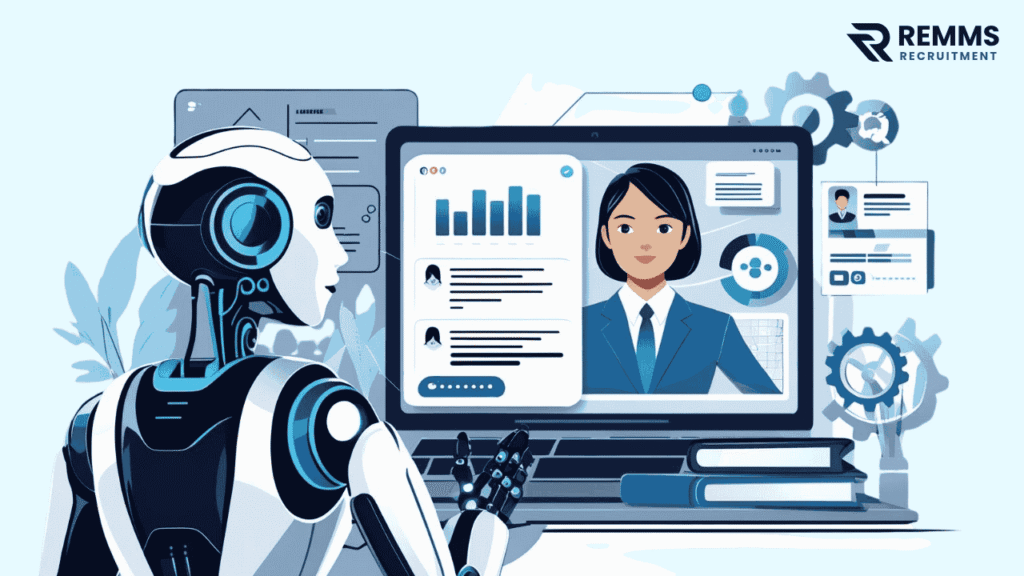
The way we hire is changing—and fast. At one time, recruiters made the first call, asked the first question, and got the first impression. But in more and more companies, that role is now being handled by AI bots.
That’s right. Before a hiring manager even sees a résumé, a virtual recruiter might already have screened the candidate, asked questions, and evaluated responses using artificial intelligence. This is no longer a “future of work” scenario. It’s happening now—and it’s reshaping how companies identify, filter, and engage talent.
What Are AI Recruiters, Exactly?
AI recruiters are automated systems that can conduct basic interviews—typically via text or pre-recorded video. These bots ask standardized questions, assess tone, keywords, and response quality, and even determine if a candidate moves to the next stage.
Some are fully text-based and feel like a chatbot. Others use voice and video to simulate a real conversation. Either way, the goal is simple: speed up the hiring process while removing human bias and inconsistency.
Why Are Companies Using Bots for Interviews?
There are a few reasons companies are making the switch:
- Volume: Large organizations get thousands of applications. Screening them manually isn’t scalable.
- Consistency: Bots ask the same questions in the same way, reducing variation and potential bias.
- Speed: AI tools process and score responses in real-time, shortening time-to-hire.
- Cost: Automating first-round interviews saves significant labor hours for HR teams.
For roles in administration, customer service, marketing, and even finance, where high volumes of applicants are common, AI can dramatically streamline early-stage filtering
What Does This Mean for Recruiters?
If you’re working with clients who use AI in their process—or you’re considering it yourself—this shift impacts how you source, prep, and represent candidates.
- Resume and response optimization matters more than ever. Candidates need to use clear, relevant language that AI can understand and rank.
- Soft skills still count—but they’re analyzed differently. AI may detect confidence, clarity, or even “enthusiasm” based on voice tone or word choice.
- Human context is still critical. AI might reject a great candidate for a formatting issue or keyword mismatch. Recruiters need to bridge that gap.
At Remms Recruitment, we stay ahead of these changes. We know how to position talent to succeed—even in a bot-first interview process.
Should You Trust AI to Screen Talent?
Here’s the truth: AI isn’t perfect. It can make mistakes. It can be biased (especially if trained on biased data). And it can misinterpret nuance.
But used correctly—with human oversight—AI recruiters can be a powerful tool. They can free up time, reduce bias, and allow hiring teams to focus on deeper, relationship-driven interviews in later stages.
The key is balance. Companies that automate everything lose touch with the candidate experience. Those who use AI as a first filter—then follow up with real human connection—get the best of both worlds.
The Takeaway for Hiring Teams
AI interviews aren’t replacing recruiters—they’re helping them move faster and focus on what matters most: making strong, strategic hires.
If you’re hiring in fast-moving fields like tech, marketing, or operations, AI can help you stay efficient. But the human side of recruitment—the coaching, the insight, the judgment—that’s still where great placements happen.
At Remms Recruitment, we work with businesses that use both AI and traditional hiring models. Whether you’re AI-powered or people-first, we help you hire smarter and faster.
Source: The Washington Post