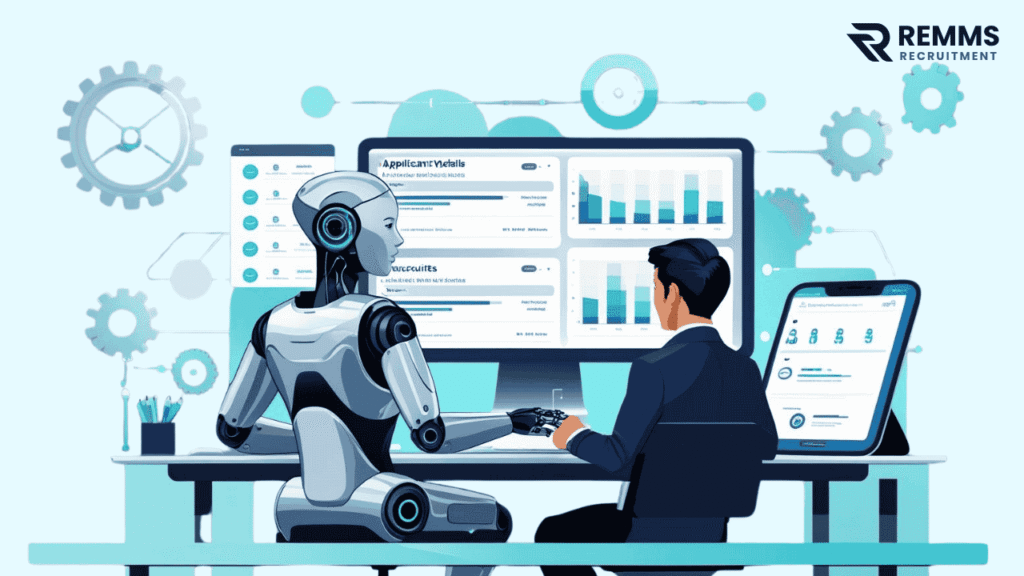
Artificial intelligence isn’t just a buzzword anymore it’s a core part of how businesses operate. And now, there’s a new kind of AI shaking things up: agentic AI. This powerful technology acts on its own, making decisions, initiating actions, and even adjusting strategies without waiting for human input.
According to a recent report from KPMG, the adoption of agentic AI has tripled in U.S. companies. That’s not a small leap—it’s a tidal wave. And for hiring managers, HR teams, and recruiters like us at Remms Recruitment, it signals something big: the future of hiring is here, and it’s automated, fast, and full of potential—but also risk.
What Is Agentic AI?
Agentic AI refers to systems that can take action autonomously, not just analyze data. Unlike traditional AI, which might provide insights or recommend steps, agentic AI can do things—like schedule meetings, generate job descriptions, sort resumes, or even trigger onboarding workflows—all on its own.
It’s like having a hyper-intelligent assistant that never sleeps and constantly optimizes. While this sounds like a dream, it also raises questions about oversight, ethics, and unintended bias—especially when used in hiring or workforce decision-making.
Why It Matters to Hiring Teams
For companies in IT, finance, marketing, accounting, and administration, agentic AI is already becoming part of recruitment and people operations. It can:
- Screen candidates based on predefined logic
- Shortlist resumes with minimal human input
- Assess sentiment in interviews or communications
- Schedule interviews without HR touching a calendar
- Initiate onboarding when an offer is accepted
At face value, this seems like a productivity win. And it is—if used responsibly. But when machines start making hiring or promotion decisions, businesses walk a fine line between efficiency and risk.
Risks You Can’t Ignore
KPMG’s report also flagged a major concern: governance. Many businesses implementing agentic AI don’t fully understand how these tools make decisions. That’s a problem.
- Bias in algorithms: If your AI was trained on biased data, it may reinforce those patterns.
- Lack of transparency: Can you explain why a candidate wasn’t selected?
- Compliance challenges: Some U.S. states are considering regulations requiring AI explainability in hiring.
For regulated industries like finance or roles involving DEI accountability, this could lead to legal issues if not managed carefully.
What Hiring Leaders Should Do Now
If you’re part of a company exploring—or already using—AI in your recruitment process, here are three smart next steps:
- Audit your tools: Understand what decisions your AI tools are making and how.
- Human-in-the-loop: Ensure humans have oversight over final decisions.
- Focus on fairness: Use bias-checking tools and diverse datasets to minimize algorithmic discrimination.
And if you’re sourcing AI-fluent talent, now’s the time to do it. As more companies automate, demand will rise for professionals who can build, manage, and govern these tools.
The Bottom Line
Agentic AI is moving fast—and it’s not just a trend. It’s changing how companies hire, promote, and manage talent. At Remms Recruitment, we’re helping clients stay ahead by identifying AI-ready candidates and supporting responsible tech adoption in HR and operations.
Want help navigating the AI shift in your hiring strategy? Let’s talk.
Source: HR Dive